From Langqiao Art Space to re-C art space: Two Decades of Curatorial Practice in Chengdu
On August 20, 2026, inside a modest space in Chengdu’s Donghu Park, Zhao Huan was putting the finishing touches on Eggtopia, a solo exhibition by emerging artist Chen Yuchen.
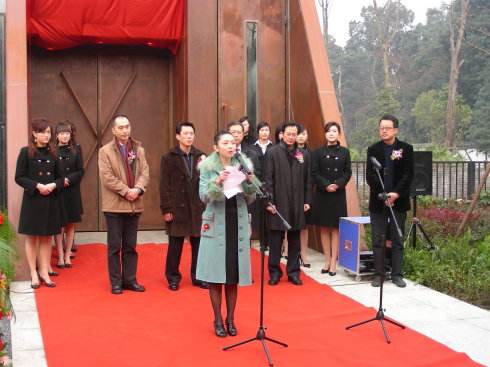
One day later, re-C art space would officially open at Pier Creative Harbor. This was more than the reopening of an art institution. It marked the return of a physical space after a twelve-year absence.
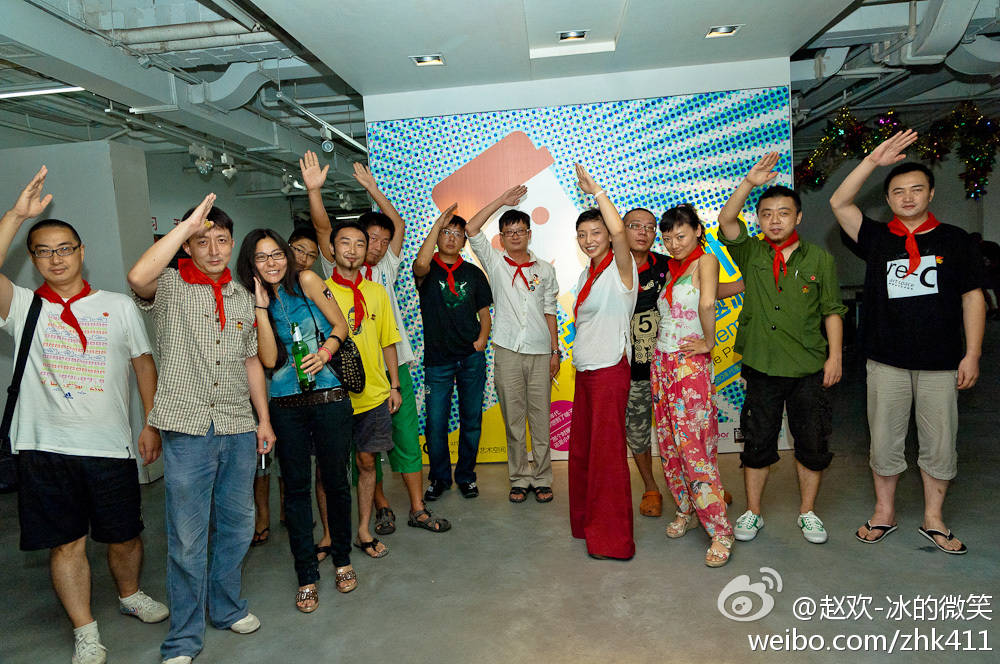
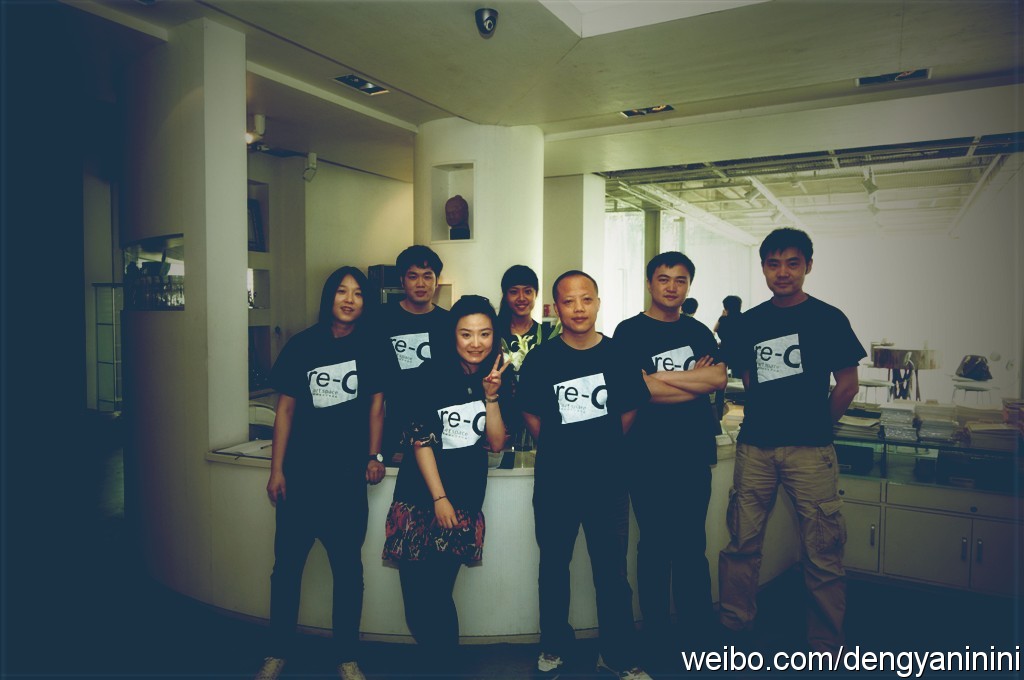
Zhao founded re-C in 2007. She later became involved with Langqiao Art Space, and after that venue closed, she continued working independently across museums, art institutions, and public spaces. Through all those changes, she never truly left the art scene.
As she puts it:
“For the past twelve years, we’ve continued supporting young artists and organizing art projects in different venues. Now, we finally have a place where we can speak consistently and build something over time.”
Compared with the large-scale Langqiao Art Space, the new re-C is small. But Zhao does not see that as a compromise. To her, a smaller space is a deliberate choice—one that may actually be closer to how contemporary art needs to operate and speak today.
Returning to Chengdu from the Netherlands: Curating as a Choice of Values
Zhao was originally trained in fine art. She later studied curating with a professor in the Netherlands and completed her master’s research there. While studying, she also worked within Amsterdam’s museum and cultural tourism system, gaining long-term exposure to institutions such as the Van Gogh Museum.
That experience helped her understand early on that a museum is not simply a building where artworks are stored. It connects research, education, the public, urban life, and cultural memory. It is part of the public system through which a society comes to understand itself.
After returning to Chengdu at the end of 2006, Zhao soon joined a newly established contemporary art gallery. Chengdu’s contemporary art market was becoming increasingly active at the time, but after six months, she realized that the commercial gallery world was not the path she truly wanted to follow.
She was less interested in how a work entered the market than in how an artist’s creative development could be understood. She cared less about turning an exhibition into a market event than about creating the conditions in which overlooked artistic practices could take place.
Within curatorial education, curating has long meant far more than selecting artworks and arranging an exhibition space. From Harald Szeemann’s transformation of exhibitions into independent forms of expression to New Institutionalism’s rethinking of the relationship between art institutions and society, the curator’s role has gradually shifted—from managing objects to organizing relationships, constructing contexts, and opening up public conversations.
Zhao’s decisions after returning to Chengdu were part of this broader global shift in curatorial thinking. Curating does not have to depend on a commercial gallery, nor does it have to be defined by a permanent building. It can happen in cafés, bookstores, abandoned factories, public parks, and the overlooked spaces woven into everyday urban life.
Before joining Langqiao Art Space, Zhao collaborated with places such as Paris Café, The Bookworm, and industrial spaces that predated the East Music Park development. For her, the key question was never whether a venue looked like a conventional art space. What mattered was whether the space could establish a meaningful relationship with the curatorial subject, the artist’s current stage of development, and the surrounding city.
Langqiao Art Space: An Important Chapter in Chengdu’s Contemporary Art History
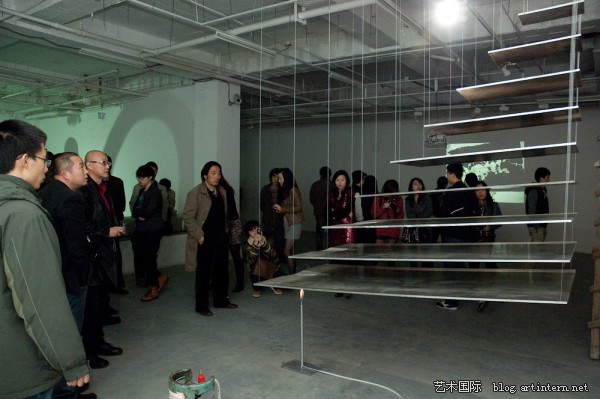
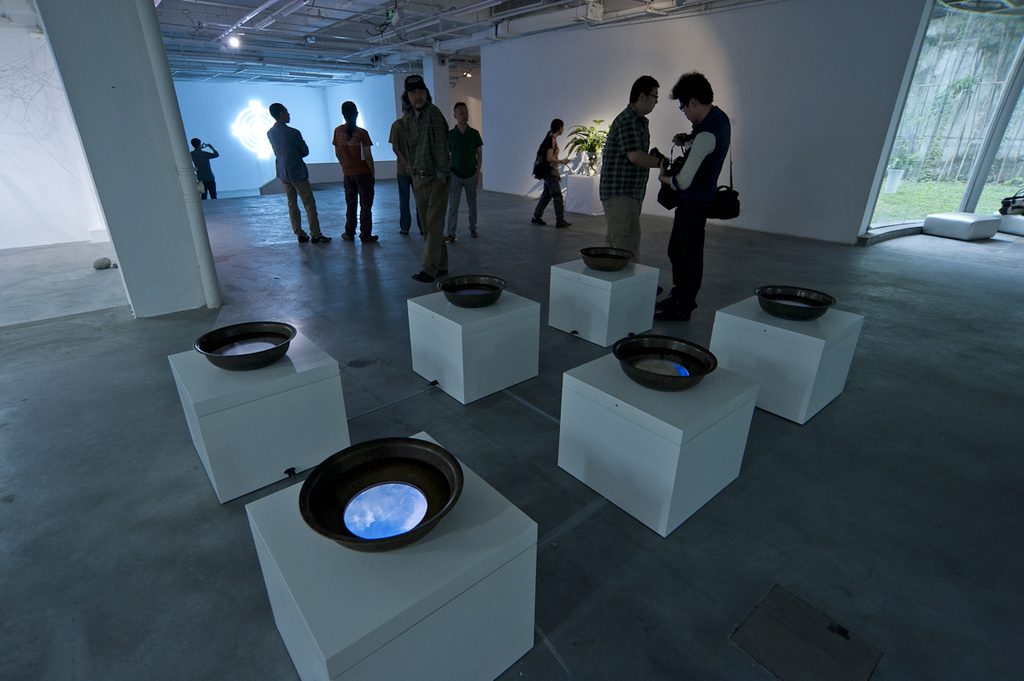
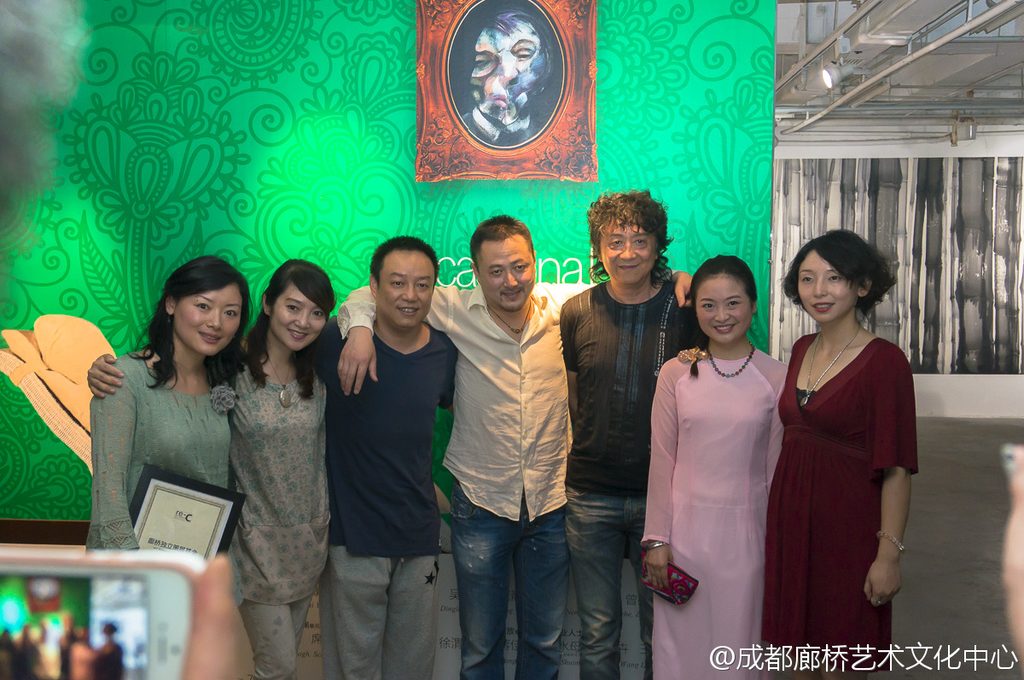
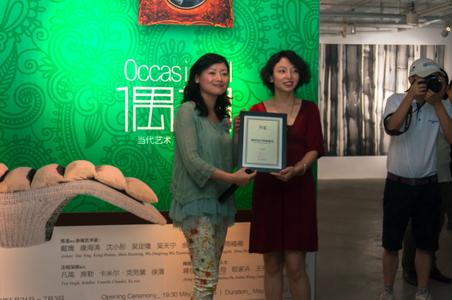
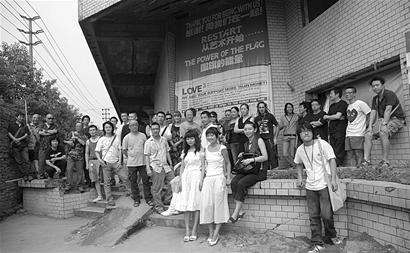
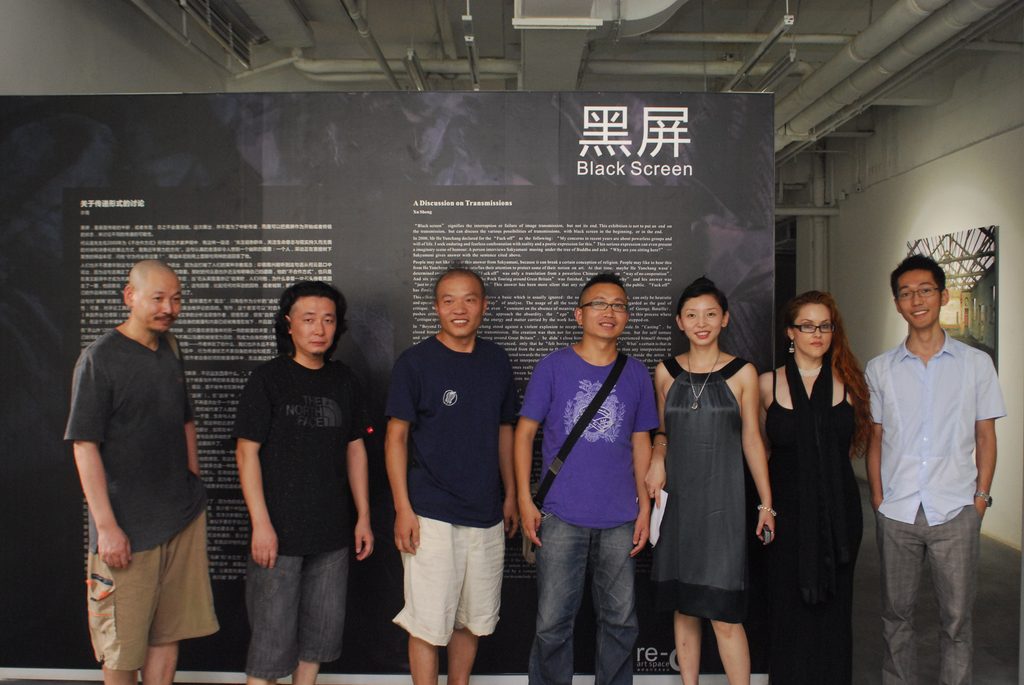
Around 2009, re-C received support from Langqiao and moved into a large underground venue near Chengdu’s Du Fu Thatched Cottage. The resulting Langqiao Art Space became one of the few professional venues in Chengdu at the time that could sustain nonprofit contemporary art programming.
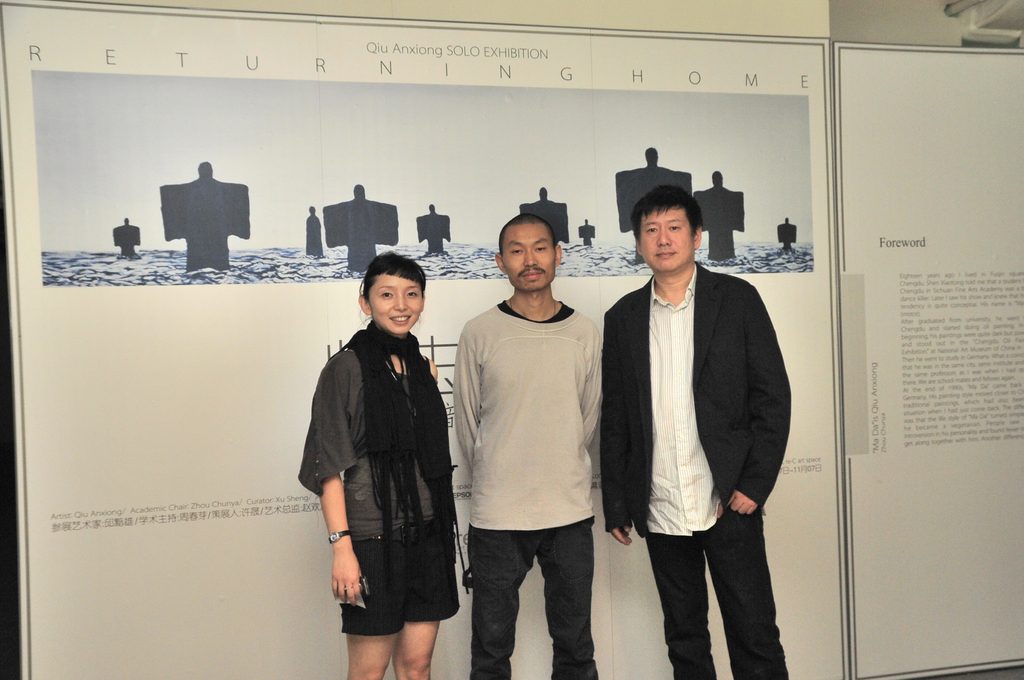
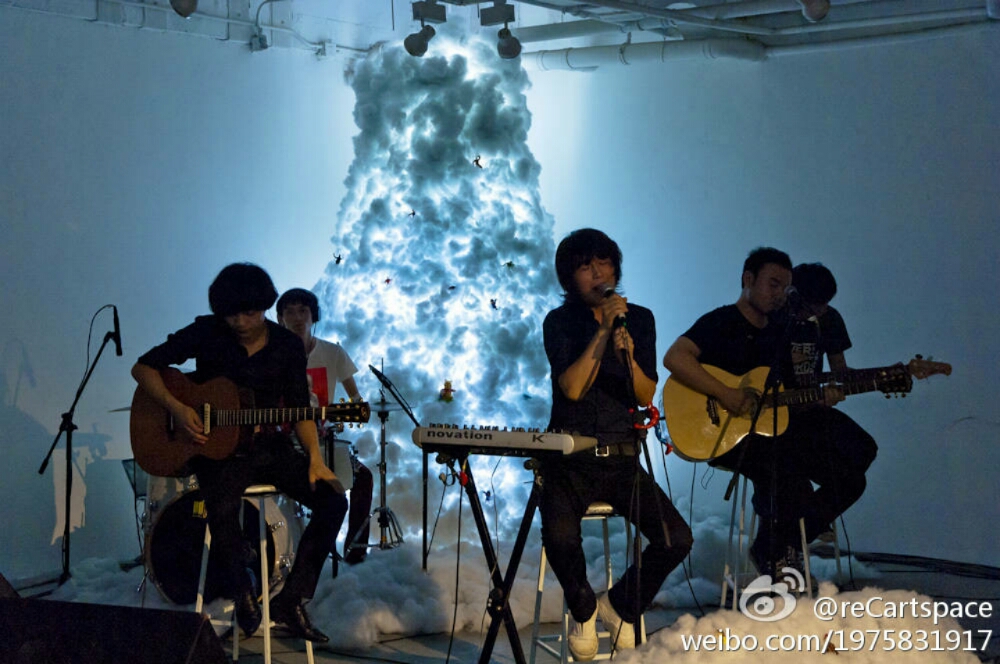
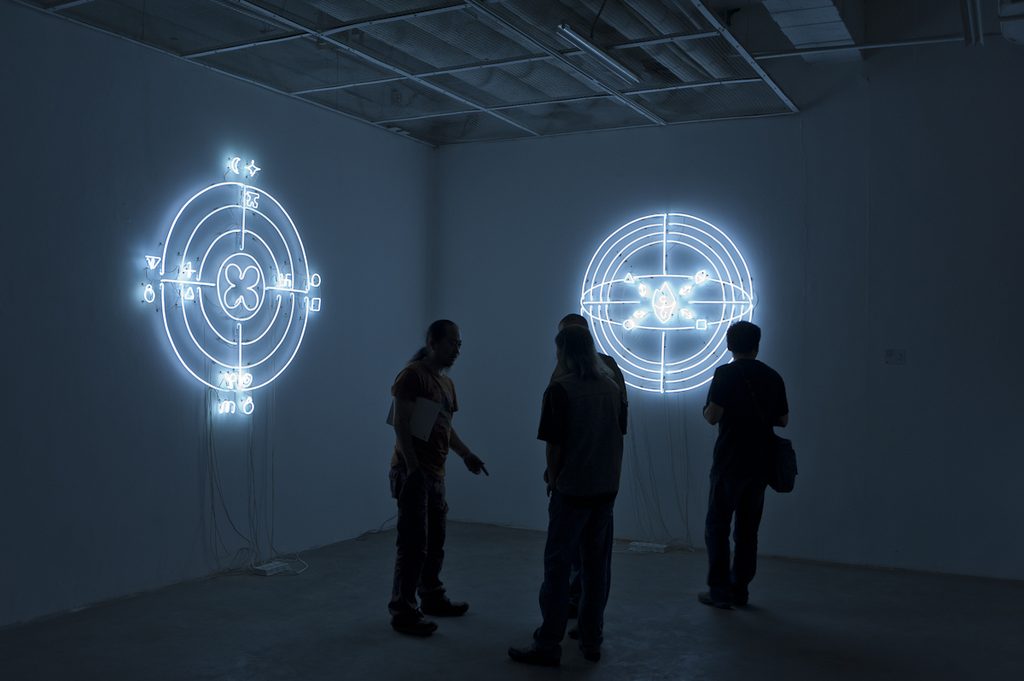
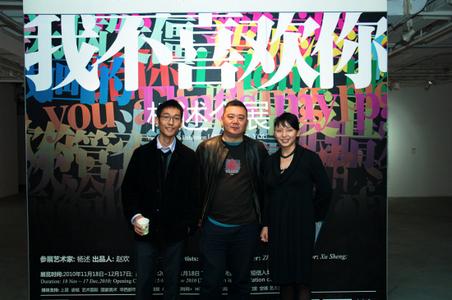
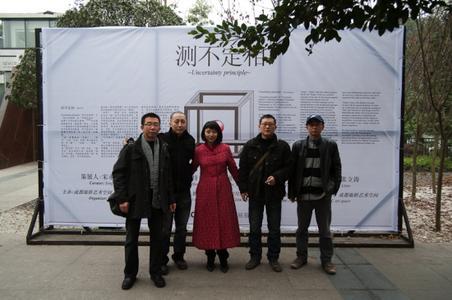
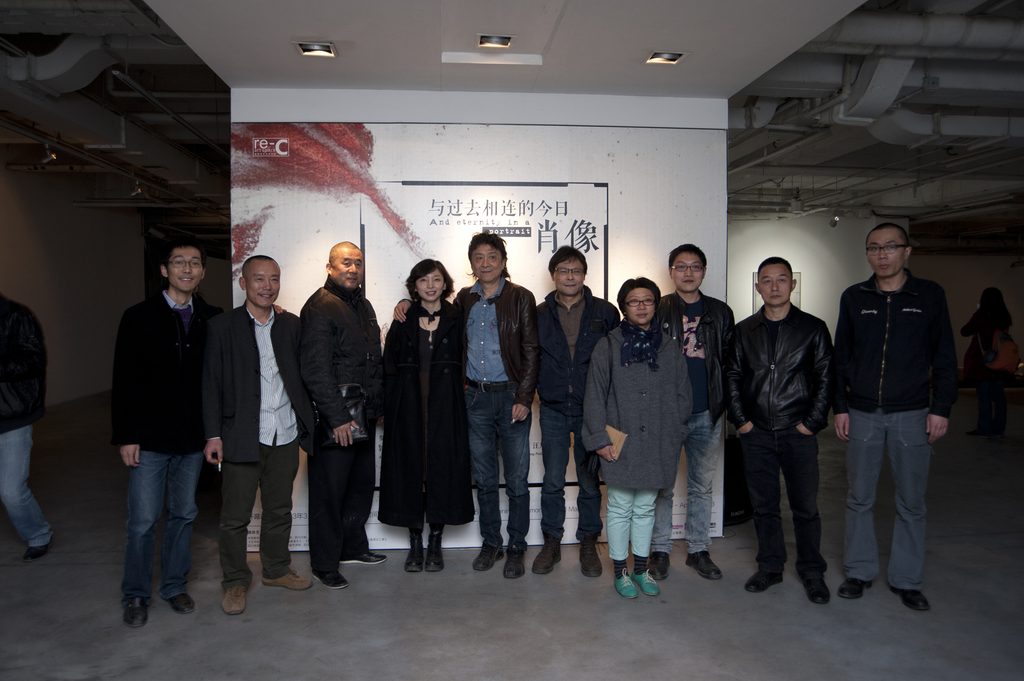
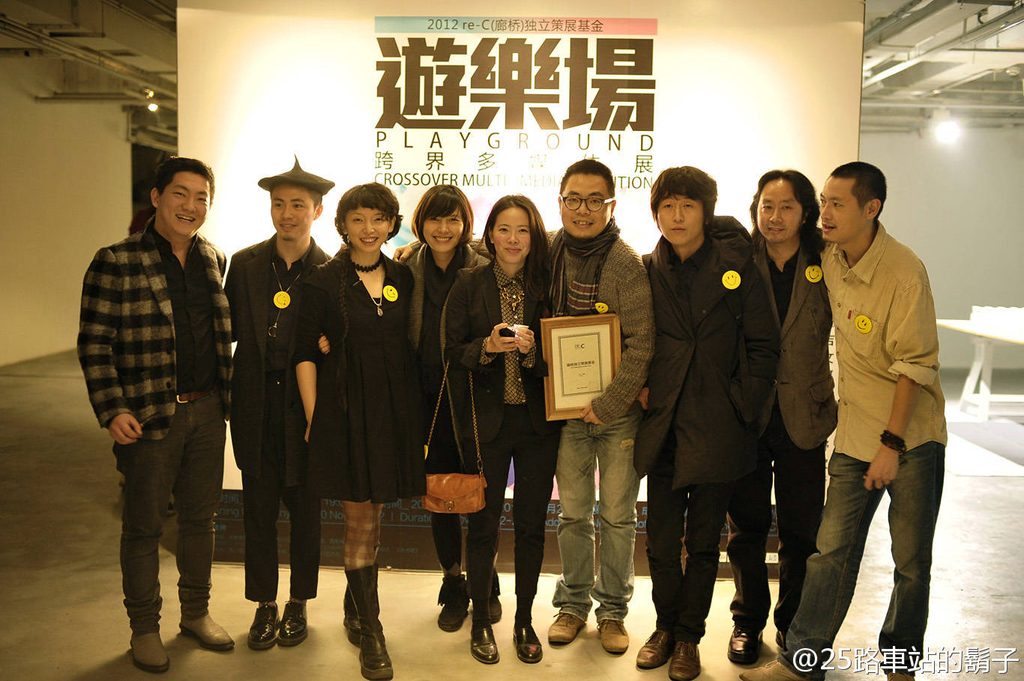
There, Zhao curated solo exhibitions by established artists, but she also organized exhibitions of sketches and manuscripts, experimental shows, women’s art projects, and interdisciplinary collaborations involving music, sound, performance, the body, toys, and live art.
Looking back, the importance of this work cannot be measured simply by the number of exhibitions produced. These projects preserved a living chapter of Chengdu’s art history—one that could never have been sustained by the market alone.
Commercial galleries naturally tend to favor artists with established styles and works that already have a market. Large museums, meanwhile, are often constrained by scale, administrative structures, and long project cycles. Experimental work, emerging creative methods, and the early practices of young artists frequently fall somewhere in between.
That is precisely where independent art spaces matter most. They make room for art that is not yet mature, not yet named, and perhaps not yet commercially viable.
Independent spaces are not peripheral to the art system. They are its research and development departments.
Even after Langqiao Art Space closed, Zhao continued contributing to the creation of the He Duoling Art Museum and helping organize its archival materials. She also curated exhibitions at institutions in China and abroad. But nomadic curating comes with an unavoidable problem: exhibitions can continue to happen, yet the institution’s public identity and memory remain difficult to build.
“When you work in someone else’s venue, you can adapt every exhibition to the site. But to the public, it feels as if you’re here one day and somewhere else the next. It’s difficult to build a lasting sense of who you are.”
This was one of the main reasons she began searching for a permanent home again.
Why Did the New re-C Choose Such a Small Space?
In the conventional imagination of an art institution, a larger space seems to mean greater influence. Zhao remains deeply skeptical of that assumption.
A large venue means higher rent and more complicated operating costs. It also pressures artists to produce work that is sufficiently mature, complete, and sometimes spectacular enough to fill the space. Over time, an institution can easily shift from researching art to filling rooms—from supporting artistic practice to simply keeping itself in operation.
“If you can’t carry the financial cost, the time commitment, and the risks of the venue, then you lose your independence. Eventually, you’re no longer using the space. The space is controlling you.”
The idea of “agency” or “independence” is central to understanding Zhao’s practice.
A larger space does not necessarily mean greater freedom. A venue that exceeds an institution’s actual capacity continually drains the curator’s time, attention, and judgment. Curating gradually turns into a nine-to-five exhibition-production job. To maintain a constant schedule, institutions start manufacturing events and assembling group shows simply to keep the calendar full. This creates the situation Zhao criticizes as “the opening is already the closing.”
A small space, by contrast, can accommodate the developing research of a single young artist. It can host a sound experiment, a dance performance, a discussion, or an interdisciplinary project. It does not require every work to arrive with monumental scale or a fully resolved form. It gives art permission to develop through experimentation.
This choice also reflects a broader shift among art institutions around the world: away from monumental architecture and toward smaller, more flexible spaces with stronger connections to local communities.
The value of an art institution can no longer be measured only by square footage, attendance numbers, or media exposure. It also depends on whether the institution can accompany artists over time and whether it can carefully study the cultural history of a particular place.
Art Should Remain Connected to Residents and Everyday Life
The new re-C is located in Donghu Park, surrounded by residents, pedestrians, public cultural facilities, and the rhythms of everyday urban life. Zhao places particular importance on this public dimension.
She does not want experimental art to be sealed inside an isolated art district far from the city. Remote venues not only increase the time and financial cost of participation; they can also cause art to lose contact with ordinary life.
In Zhao’s view, a good art institution should exist where people actually live.
This idea is closely connected to site-specific and socially engaged art. An art space is not a white cube cut off from the outside world. It is already part of the city’s network of relationships. The ways residents enter the space, people from different professions encounter one another, and artists respond to the surrounding environment can all become part of the conditions through which art is produced.
For that reason, the new re-C will not limit itself to painting. Zhao hopes it will also make room for music, dance, moving images, technology, artificial intelligence, interactive media, cultural products, and practices related to physical and emotional well-being.
This interdisciplinary approach is not about chasing the label of “new media.” It reflects the reality that the experience of art itself has changed. Human perception, technology, social identity, and public life are increasingly intertwined. Art institutions must be capable of understanding these changes.
Against “Instagrammable Art”: A City Needs More Than Good-Looking Exhibitions
In Zhao’s view, Chengdu has not lacked exhibitions over the past decade. If anything, the scene looks busier than ever. Yet beneath that apparent activity, truly independent, experimental, and research-driven projects have become harder to find.
She describes this phenomenon as the “beautification” or “Instagrammification” of art exhibitions.
Some exhibitions are becoming increasingly polished. The spaces photograph well, and the works are easy to circulate online. But they often lack serious research into the artist’s long-term practice. An artist’s work is reduced to a single display-friendly “idea,” while curating is simplified into thematic packaging and visual design.
These exhibitions may create an immediate impact, but they rarely leave behind much art-historical value.
Within the global art world, artists have never established their significance through one attractive work alone. Whether we are looking at the development of modernism or trying to understand postwar conceptual art, feminist art, video art, and digital media, the most important questions remain the same: Why did this artist develop this particular language? How is that language connected to their personal experience, historical circumstances, and cultural background? How has it changed over the course of a long-term practice?
For Zhao, this is why small solo exhibitions matter.
A group exhibition can articulate a curatorial theme, but it rarely has enough room to explore the intellectual development of every participating artist. A thoughtfully scaled space can focus on one phase of an artist’s work and allow the public to see how individual works relate to one another—instead of remembering only a single image.
“First, Understand Your Own Culture”: Curatorial Research Beginning with Cultural Misreading
One of Zhao’s long-term research interests is cultural misreading.
This direction grew out of her experience studying in the Netherlands. Her professor once asked her:
“What is your own culture?”
The question was not asking artists to return to a fixed set of national symbols. It was a reminder not to rush into expression before understanding where one is speaking from. Personal experience, upbringing, education, gender relations, and local culture all influence how we see the world.
Cultural misreading does not occur only between China and the West. It also exists between men and women, between generations, between painting and music, and between the body and language.
When Zhao curates projects involving women artists, her goal is not simply to declare a political identity. She wants to examine how men and women observe and imagine one another within social structures—and how distortions develop through that mutual gaze.
Her collaborations with artists born in the 1990s and 2000s are likewise part of an ongoing attempt to move beyond generational misunderstanding.
Here, curating is no longer about reaching conclusions on behalf of artists. It is about entering their experiences, understanding how their artistic languages were formed, and using exhibitions to create communication between different ways of living and seeing.
In this sense, Zhao’s curatorial approach resonates with postcolonial theory, feminist curating, and cross-cultural studies. Yet she does not treat theory as a label to be placed over an artwork. She is more interested in how theory can return to actual relationships between people. Only by first acknowledging that we misread one another can genuine understanding begin.
Chengdu May Not Be an Art-Market Center, but It Can Be a Place Where Art Grows
Compared with Beijing, Shanghai, Hong Kong, and Shenzhen, Chengdu has never been a major center of the art market. Zhao describes Chengdu as art’s “rear base.”
Being away from the center does not mean being behind. It means the city has a relatively slow pace of life, lower production costs, a strong tradition of art education, and a large community of artists committed to long-term practice. Many important works develop slowly in studios located far from the market’s center.
But for such a “rear base” to function, someone must continue studying the development of local artists and helping their work become visible.
Without museums, independent spaces, curators, and researchers, artists may work for years without entering public discussion. Eventually, younger artists feel compelled to leave Chengdu in search of exhibitions and professional opportunities elsewhere. Those who remain may continue producing work in isolation, largely unseen.
In Zhao’s view, what Chengdu truly lacks is not another large group exhibition. It needs intermediary platforms capable of understanding artists over time, supporting them, and connecting them with broader artistic networks.
The new re-C’s decision to open with a solo exhibition by Chen Yuchen, an artist born after 2000, sends a clear signal.
Chen earned his undergraduate degree in industrial design from the Rhode Island School of Design and is currently pursuing a master’s degree in design studies with a focus on medium at Harvard University. Drawing on linguistics, communication theory, and sensory experience, his installations, objects, and interactive works explore how perception itself can become a new form of information.
What Zhao values is not simply his educational background. She is interested in his willingness to seek out resources and develop projects independently, as well as his refusal to treat “artist” as the only possible professional identity.
“I want to support people like him and help their work happen here in Chengdu. I also want young people to know that the future is still worth looking forward to. Coming back should not mean their only choices are making portfolios or selling things at street markets. Art should still offer room for imagination.”
Curating Is Not About Standing Above Artists—It Is About Building a Structure for Time
Zhao makes a clear distinction between academic curating and the art trade.
She is not opposed to galleries selling art. But she believes that every participant in the art world should be honest about their position. A gallery can be intellectually serious, but it should not use academic language to disguise commercial motives. Independent curators, meanwhile, should not exploit their authority by acting simultaneously as promoters and financial beneficiaries while an artist is still unknown to the market.
This is also how Zhao’s idea of the “God’s-eye view” should be understood.
She is not claiming that curators stand above artists. Rather, she believes that curators should try to establish a broader perspective outside direct financial interests. They must see the artwork, but also the historical, geographic, educational, and social structures surrounding the artist. They must pay attention to the exhibition taking place now while also judging whether an artistic practice has the potential to continue developing over time.
A curator’s authority does not come from an impressive intellectual posture. It comes from the ability to look carefully, make choices over the long term, and accept responsibility for the consequences of those choices.
Zhao trusts her eye. Many young artists she selected and supported later entered national exhibitions and broader art networks. But she is less interested in proving that she “discovered” someone than in letting the outside world know that Chengdu is still home to a significant community of artists committed to sustained creative practice.
“I Treat Curating as My Own Art”
During the interview, Zhao made one especially important statement:
“I treat curating—and everything connected to it—as my own art.”
This explains why she has continued doing work that is not primarily driven by profit.
She could have stayed in the Netherlands and pursued a more financially rewarding career. She could also have devoted more time to her own artistic practice. But between being an artist and being a curator, she chose—at least for now—to place her personal artmaking in the background.
She believes her energy can help more people this way.
An exhibition, a young artist’s first solo show, an organized archive, or the rebuilding of an art space can all be understood as part of her work. The medium is not canvas and paint. It is people, space, time, relationships, and the cultural memory of a city.
In this sense, her practice comes close to Joseph Beuys’s idea of “social sculpture”: art does not only produce objects; it can also reshape how people relate to one another and to society.
But Zhao’s work is not grandiose. It begins with one concrete decision after another: looking closely at an artist’s work, understanding its development, finding the right space, bringing people from different fields together, and protecting experimentation from being interrupted too early by the demands of the market or the institution.
She sees this work as her calling.
Giving Art the Time It Needs to Grow
When we talk about art spaces today, it is easy to focus on traffic, branding, consumption, and urban redevelopment. Zhao remains committed to something more fundamental—and more difficult: giving artists the chance to be seen seriously; ensuring that experimental practices do not disappear simply because they cannot be sold right away; and helping a city preserve the history of its own artistic development.
The new re-C art space is not large. It may never become another photogenic cultural landmark or social-media destination.
It is better understood as an observation post for art, an open laboratory, and a small site reconnecting Chengdu’s artists with urban life and public conversation.
Twelve years ago, re-C lost its physical space, but its work never stopped. Twelve years later, it has returned in a small room.
This is not a return to the past.
At a moment when large exhibitions are becoming increasingly spectacular, art communication is becoming increasingly image-driven, and the narratives of globalization are being rewritten, Zhao is trying to answer a basic question:
What kind of art space does a city actually need?
Perhaps the answer is not a larger building, a denser schedule of openings, or more beautiful photographs. Perhaps it lies in whether someone is willing to keep looking, researching, organizing, and connecting—and to give time to the artists who have not yet been seen.
For Zhao Huan, that is what curating means.
It is also the work she has been creating for nearly twenty years.