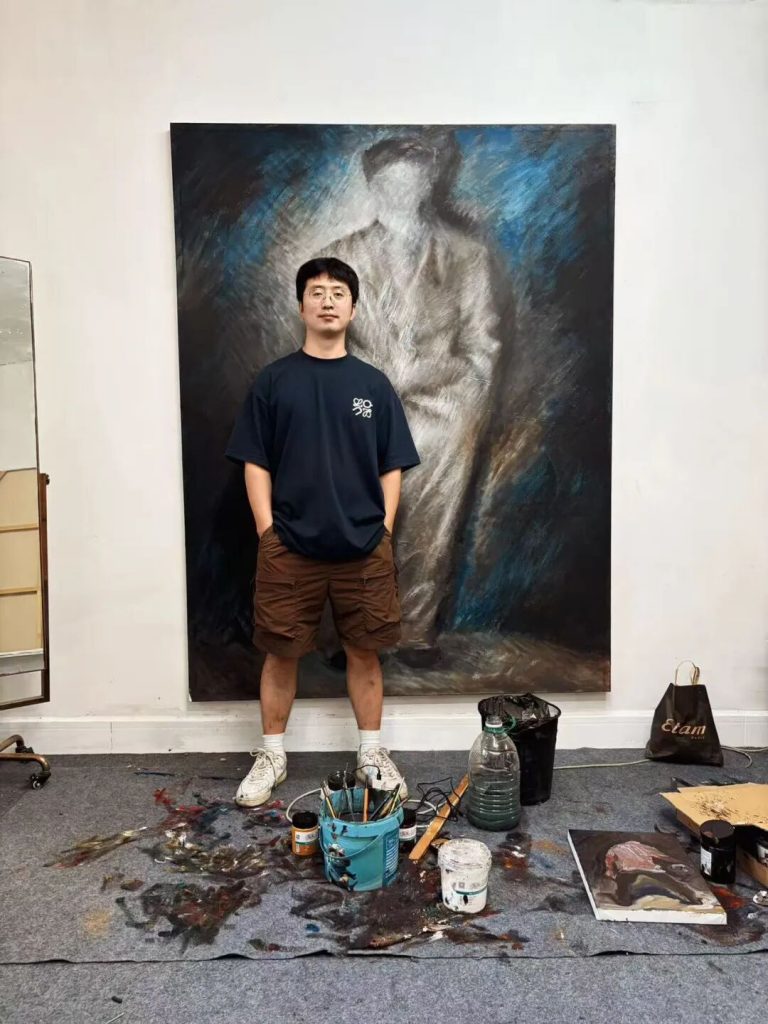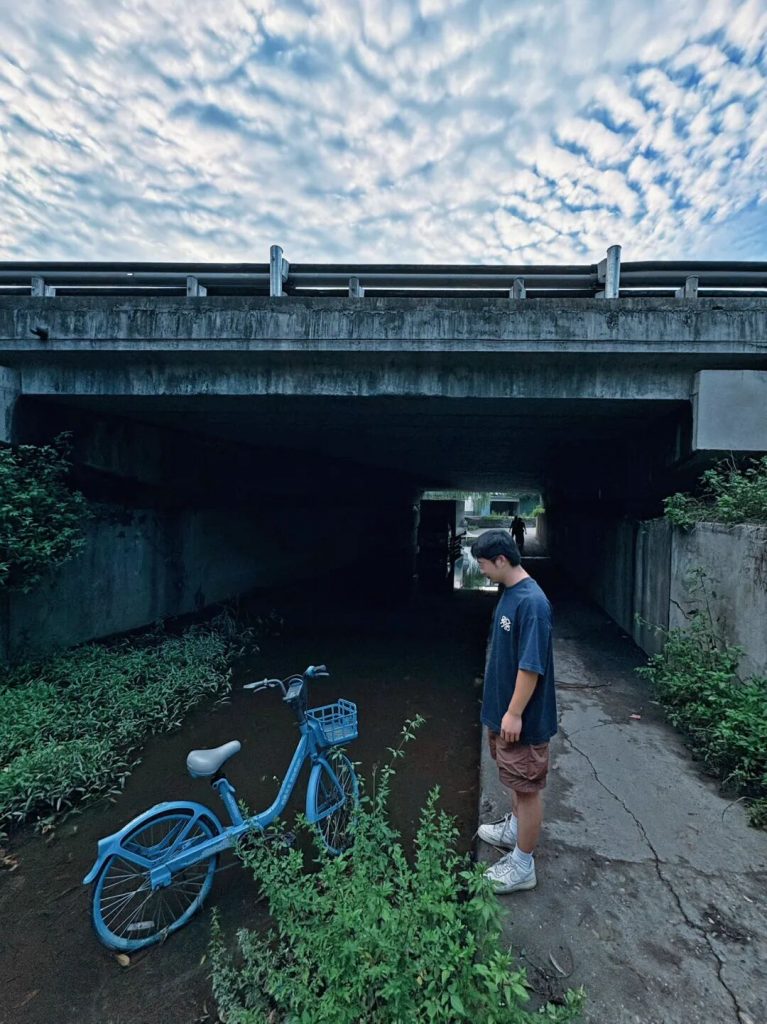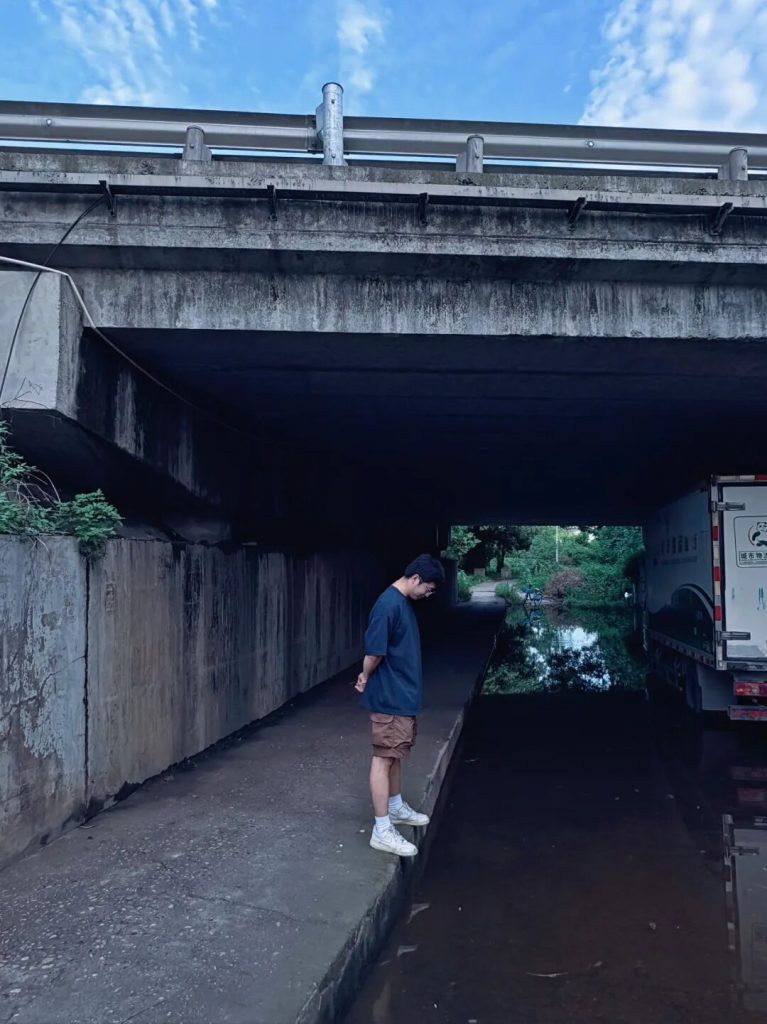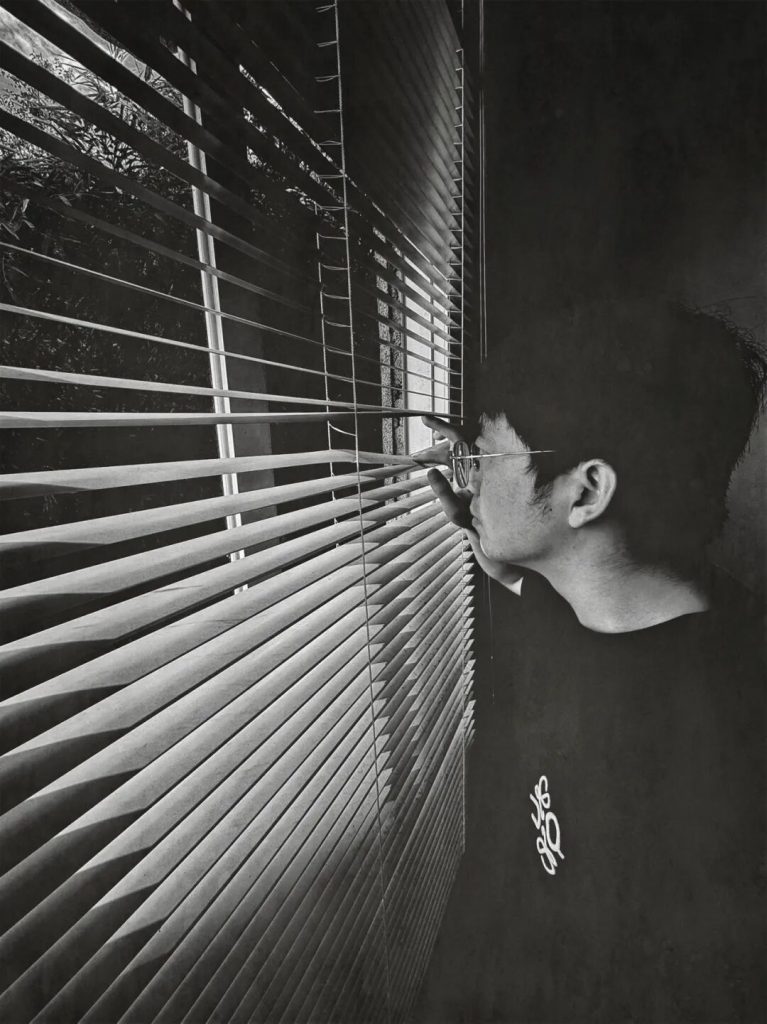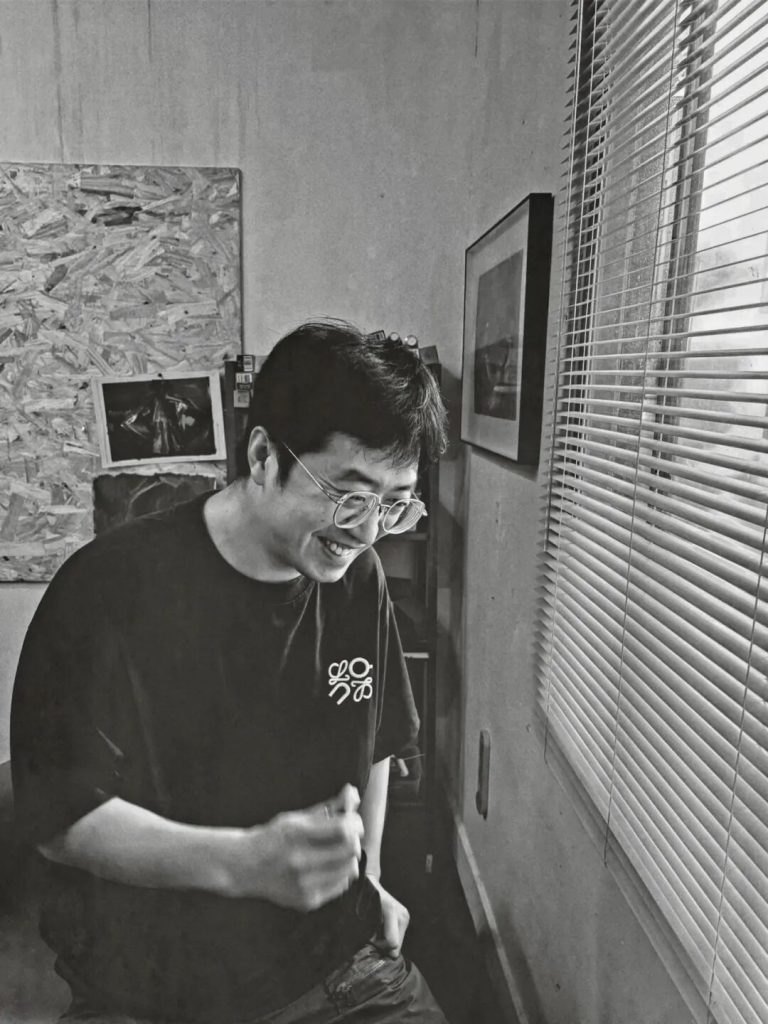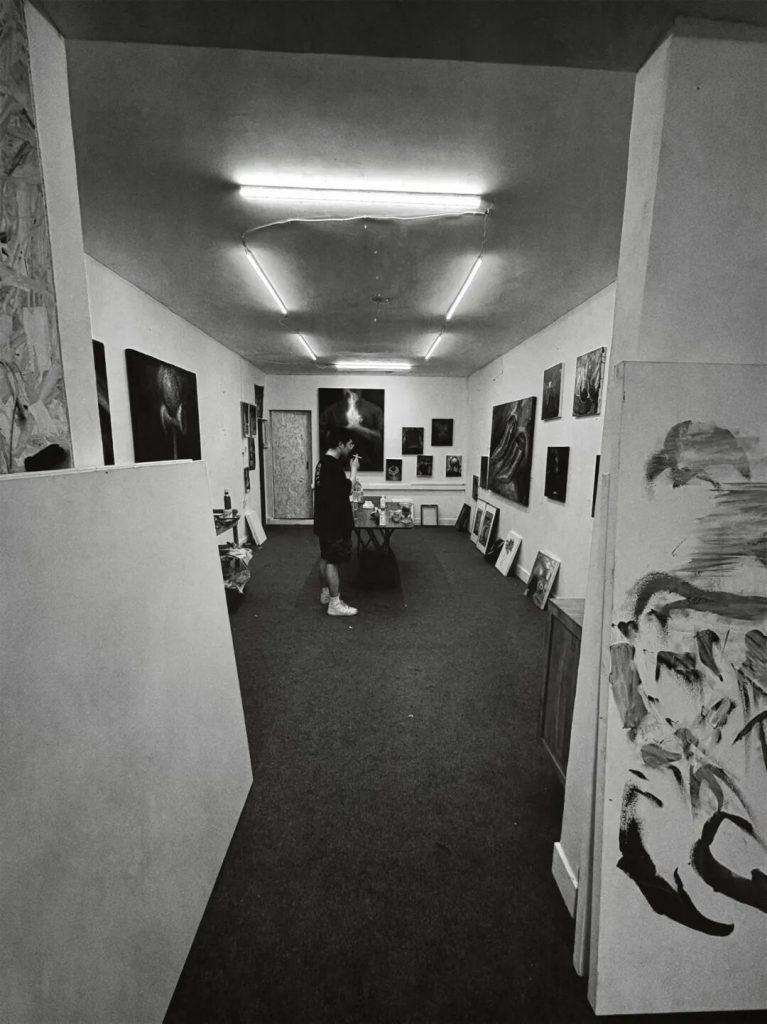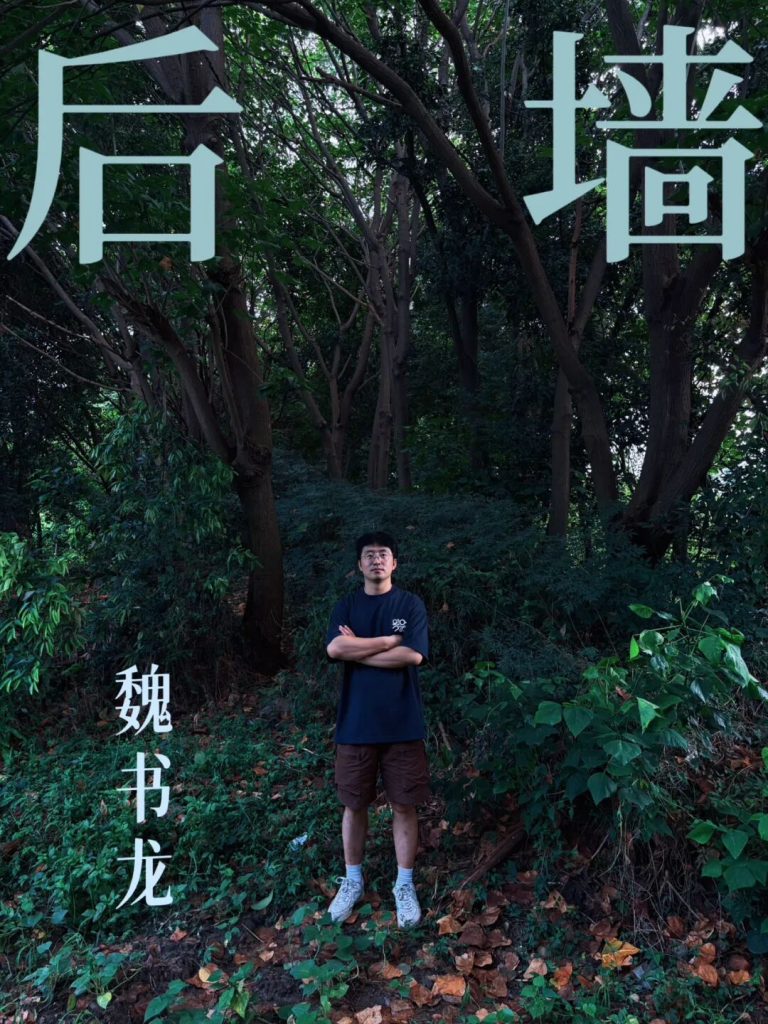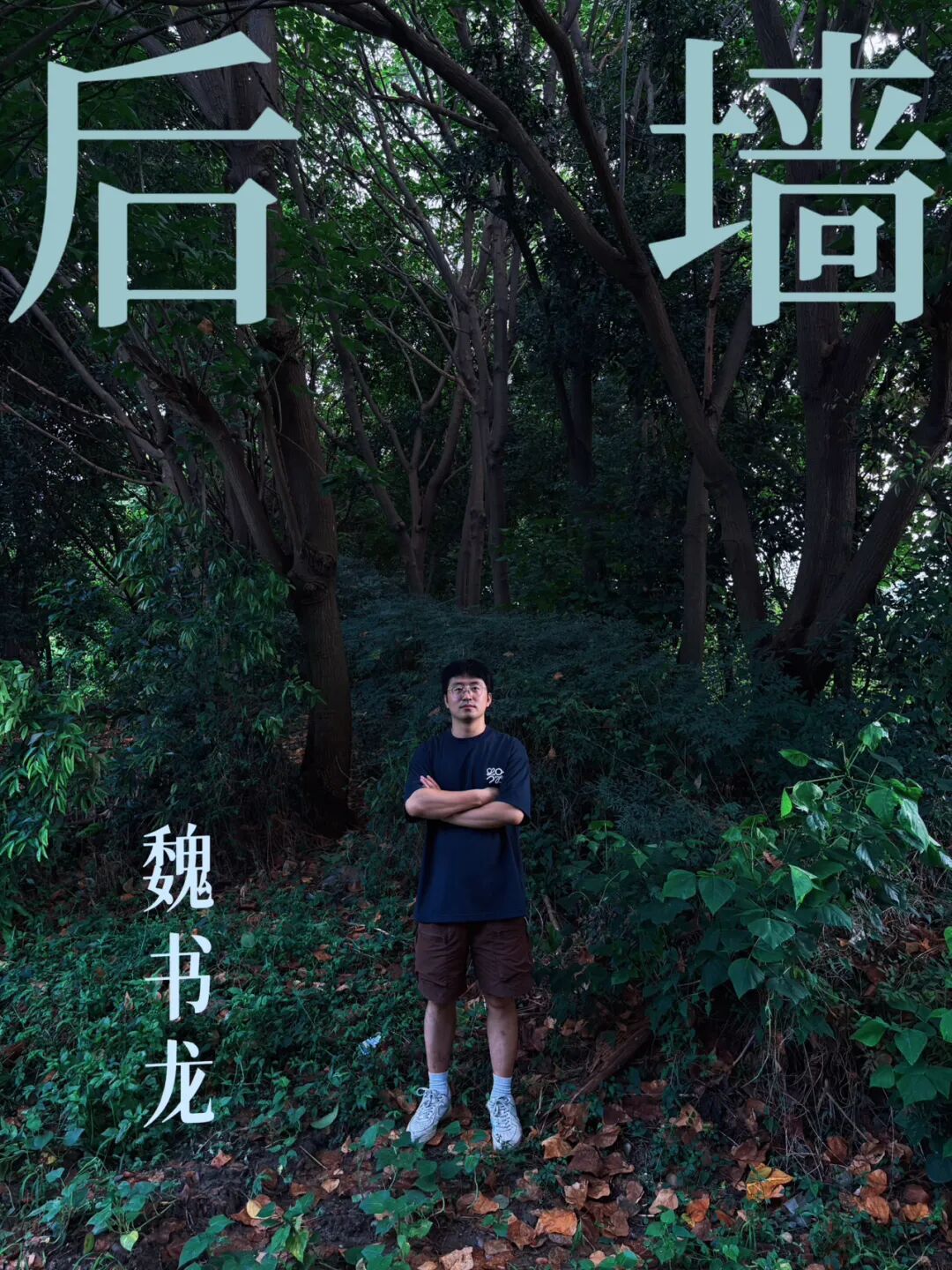
On the evening of August 6, 2026, walking along the roads of Siyicun Village in Xindu, Chengdu, one gradually enters a different kind of creative environment.
The sunset passes through the shadows of trees. The rhythm of rural life still remains in the distance.
Inside renovated studios hidden among ordinary village spaces, however, another form of artistic production is quietly taking place.
There are no traditional white cube galleries here.
There is no standardized commercial exhibition system.
Artists work, live, communicate, and allow their artworks to slowly develop through time.
The gathering of young artists is never simply a matter of moving from one place to another.
It represents the formation of a new artistic ecosystem — artists searching for affordable, independent spaces for creation, while those spaces themselves gain new cultural meaning through the presence of people.
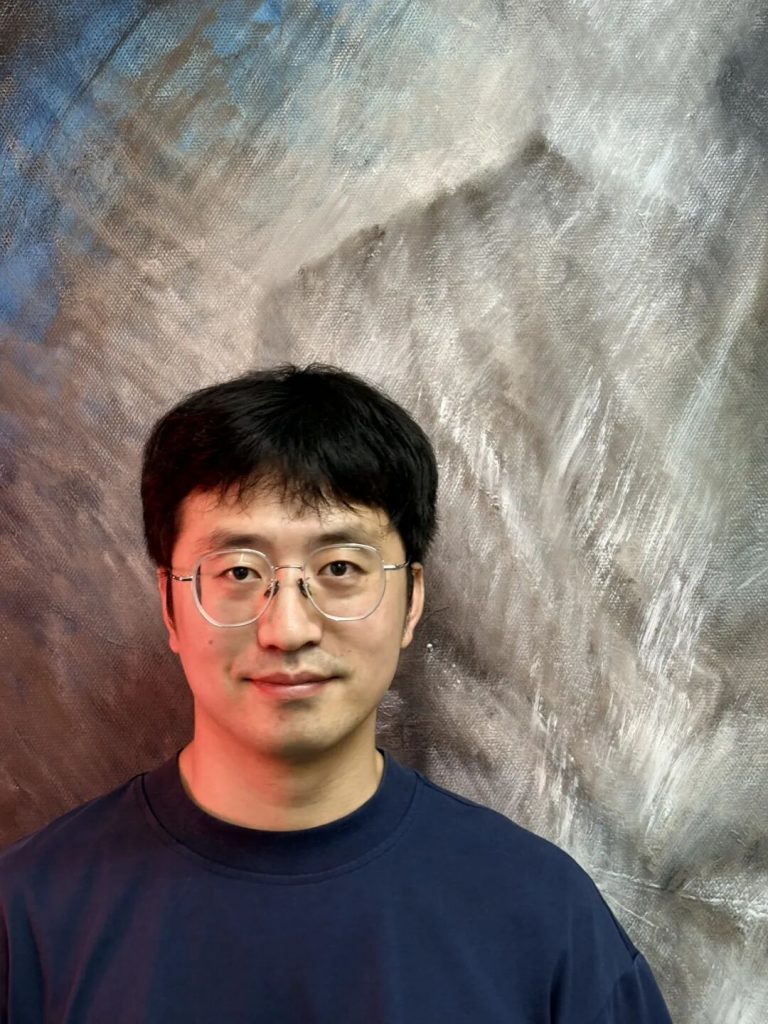
Wei Shulong is one example within this emerging environment.
Artist and Educator: Two Identities Supporting Each Other
Wei Shulong was born in 1993 in Shuangyashan, Heilongjiang Province.
He graduated from the Fine Arts School of Sichuan Conservatory of Music in 2016 and completed his graduate studies in oil painting at the same institution in 2021.
He currently lives and works in Chengdu while teaching in the Art Design Department of Sichuan Vocational College of Art.
His identity exists across two dimensions.
On one side, he is an educator working with young students, teaching fundamental artistic training including color relationships, drawing, and visual composition.
On the other side, he remains a practicing artist continuously developing his own work.
Many people assume that teaching may influence artists’ personal practices, making their work more stable or even conservative.
Wei Shulong sees it differently.
“For people who study art, becoming a teacher can actually provide another kind of enrichment.”
Through teaching, he experiences what he describes as a process of mutual learning.
Students’ works and younger generations’ visual experiences constantly challenge and refresh his own understanding of aesthetics and creativity.
Art education is not simply the transmission of knowledge.
It is an ongoing process of seeing and being seen.
His role as a teacher has not become a limitation.
Instead, it has become another way for him to understand the contemporary art environment.
Painting Is Not About Symbols, but About Discovering Inner Energy
Wei Shulong’s paintings do not rush to create clear narratives.
Instead, they focus on a state that is difficult to describe through language — a sense of force.
“My work is more focused on exploring inner strength.”
This strength is not external power.
It is closer to a chaotic energy emerging from within the body and the mind.
Because of this, his works often use monochromatic or restrained color relationships.
For him, color is not decoration.
It is structure.
Reducing color can actually intensify the psychological pressure and emotional concentration within the image.
“Using a single color or a simpler color relationship allows me to express this atmosphere of strength more accurately.”
His approach connects with a broader history of modern painting’s exploration of internal experience.
From Kandinsky’s emphasis on spirituality in abstraction to Abstract Expressionism’s release of physical movement and emotional energy, modern painting has continuously attempted to move beyond representing the external world and enter the inner landscape of human experience.
Wei Shulong’s practice is also a search for his own visual language.
Art as a Mirror for Understanding Oneself
During the development of a young artist, one question appears repeatedly:
How do you move beyond your influences?
Artists who grow within academic systems inevitably encounter the impact of teachers, art history, and existing visual traditions.
Wei Shulong admits:
“I intentionally try not to imitate anyone.”
However, he also recognizes that imitation is an unavoidable stage in artistic learning.
Art often begins with observation and study.
What truly matters is gradually discovering one’s own direction after passing through that process.
His teachers and academic experiences did not influence him through direct visual imitation.
Instead, they gave him confidence in his artistic path.
“The influence of my teachers was more about confidence and determination in my artistic thinking.”
The true value of art education is not teaching an artist simply how to paint.
It is helping a person expand their way of seeing.
From Academy to Siyicun: The Formation of an Artistic Ecosystem
Wei Shulong did not initially come to Siyicun because it was already known as an artists’ community.
Six years ago, his reasons were practical:
It was relatively close to his school.
The rent was affordable.
The space was large enough.
And it allowed him to work with fewer distractions.
At first, he simply wanted a studio away from the pressure of urban life.
At that time, there were fewer than ten artists working nearby.
They often connected because they shared similar interests and ways of thinking.
Over time, however, things began to change.
Some artists arrived.
They brought more artists.
Studios multiplied.
Exhibitions appeared.
Conversations and collaborations began.
Siyicun gradually transformed from a collection of individual studios into a more open artistic community.
Wei Shulong believes:
“It has moved beyond the academy and become a relatively independent ecosystem.”
Originally, its connection to Sichuan Conservatory of Music was an important factor.
But today, more artists from different regions and educational backgrounds are choosing to come here.
This suggests that Siyicun has begun developing its own attraction and identity.
Rural Spaces Are Not a Return to the Past, but a Connection to the Future
Artists moving into rural areas does not necessarily mean escaping modern society.
Instead, it may represent a new form of cultural production.
Globally, artistic communities have often emerged in spaces outside traditional centers:
New York’s SoHo district,
Berlin’s Kreuzberg,
and various artist communities developing in cities across China.
The reason is simple:
Art needs freedom.
Freedom requires space.
And space requires affordability.
Siyicun provides a different possibility.
It is not a traditional “artist village.”
It is not a commercialized art park.
It is something more organic:
a self-developed creative ecosystem formed through the needs of artists themselves.
According to Wei Shulong’s observation, there are now around eighty artists connected to this area, although the community continues to change and evolve.
The Challenges Facing Young Artists Today
When discussing the situation of young artists today, Wei Shulong raises an important point:
Many art students continue to see themselves as students even after graduation.
But becoming an artist requires building an independent identity.
“Don’t take art too seriously. Sometimes that can actually bring you closer to the true state of art.”
For him, this means:
Artists need not only creative ability.
They also need the ability to face reality.
They need to understand the industry.
They need to develop independent judgment.
In today’s increasingly complex art environment, survival as an artist depends not only on artworks, but also on broader abilities.
However, this does not mean artists should chase rapid success.
Wei Shulong emphasizes long-term practice.
“Every era does not lack famous people. What it truly lacks are genuinely good works.”
Conclusion: A Painting Needs Time to Grow
What is happening in Siyicun may not yet be easily defined as an “art district.”
It is more like a cultural ecosystem still in the process of becoming.
Artists arrive because they need space for creation.
Spaces gain meaning because people inhabit them.
Human relationships and conversations create new possibilities.
Wei Shulong’s painting practice follows a similar rhythm.
He focuses on a slowly developing inner strength.
Rather than seeking immediate visibility, he allows his work to gradually develop its own life through long-term practice.
There is no shortcut to becoming an artist.
A truly personal artwork also needs time to grow.
Artist Profile
Wei Shulong (b.1993, Shuangyashan, Heilongjiang, China)
Wei Shulong is an artist and educator based in Chengdu. His painting practice explores inner energy, psychological states, and the relationship between color and emotional experience. Alongside his artistic practice, he teaches art and design, examining how education, observation, and contemporary life shape artistic thinking.