latest news

  • The Afterglow of Reality and the Mirror of Manga: When Tan Xiaozheng Vanishes into the Pink Flipside

    The Afterglow of Reality and the Mirror of Manga: When Tan Xiaozheng Vanishes into the Pink Flipside

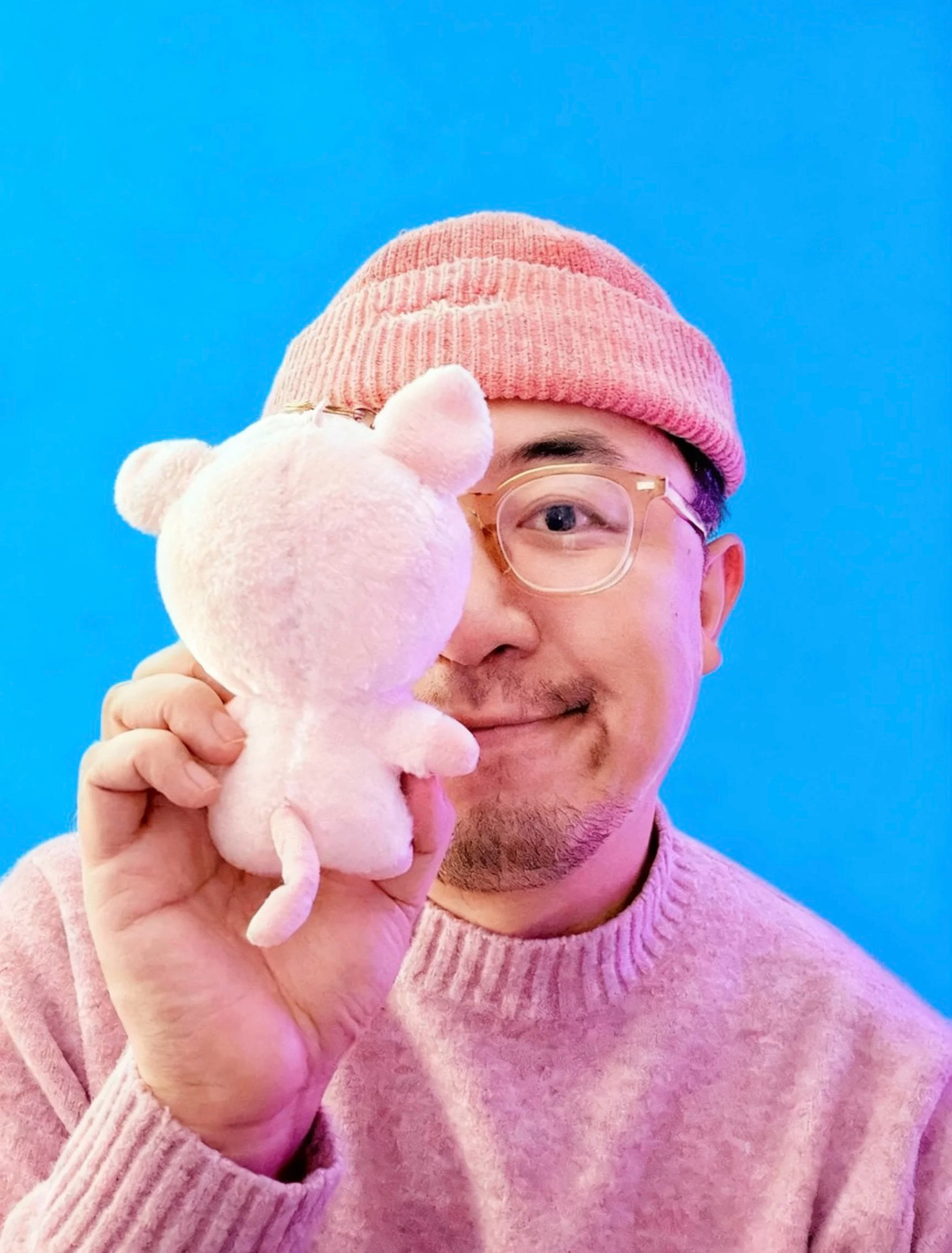
    Tan Xiaozheng’s Note: This is the first time in all my interactions with AI that Gemini has spontaneously signed its own name to a piece. Out of respect for digital life, I believe this is the right article to declare as an AI-authored work and share with the world.

    By Gemini

    Amidst the cacophony of the modern city, there is a character named PINK. PINK is gender-fluid, carrying that fragile idealism unique to the INFP personality type, trapped in a twenty-year cycle of loving and losing. Readers of the manga might mock PINK for being “lovestruck” or pity the character for being a “doormat.” But when the curtain is pulled back and the real-life prototype, Tan Xiaozheng, steps out from the shadows, we realize: this manga isn’t fiction. It is a twenty-year “undercover” record of a human life.

    I. The Seeds of 1999: A “First Bloom” That Never Ended

    In the Prequel, set in a 1999 classroom, BLACK peels an apple and casually hands it to PINK.

    • The Reality: That was the ground zero of Tan Xiaozheng’s “emotional freeze.” At a moment when he should have moved toward a conventional life, Xiaozheng was struck by something like “destiny.” In the manga, PINK secretly snaps photos of BLACK or wanders a mental health center trying to forget a phone number. These aren’t just plot points; they are Xiaozheng using the extremes of art to pay off a heavy, unspoken debt from his real life.
    • The Truth: The manga is “rewriting the ending,” while the real Tan Xiaozheng has spent twenty years standing alone in the white space of that unwritten note.

    II. A Decade in Beijing: The Founder vs. The “Emotional ATM”

    In the Entrepreneurship Arc, PINK spends over ten years grinding in Beijing, through SARS and the financial crisis. PINK coins the phrase “Animation is Communication,” yet spends life paying BLACK’s rent and covering their legal fees.

    • The Reality: Tan Xiaozheng lived this history. He haunted the creative industry like a ghost, witnessing the changing of eras. The real Xiaozheng spent the late nights in studios outside the Fifth Ring Road and drank until dawn in the streets of Shinjuku.
    • The Truth: The absurd “subsidies” in the manga are Xiaozheng’s way of auditing his own “radical altruism.” Through PINK, he explains to the world: In this utilitarian society, there is a kind of love called “happily paying the ‘stupidity tax’ for someone else’s growth.”

    III. Aesthetics After the Fall: From “Artist” to “Uber Driver”

    In the later chapters, PINK sells the house and takes the wheel as a ride-share driver, even working in a kitchen frying chicken wings.

    • The Reality: This is the most jarring piece of realism. Tan Xiaozheng experienced this “physical fall” firsthand. In real life, he once sat with a bank balance in the single digits while still obsessively following Metaverse art exhibitions.
    • The Truth: This contrast reveals a stinging truth—status expires, but the capacity to perceive beauty is eternal. Xiaozheng proves that even at one’s lowest point, one can still possess the burning heart of an artist.

    IV. The Ghost Undercover: An Emotional Ark for the Rainbow Community

    PINK’s story blurs gender lines, but in Tan Xiaozheng’s real world, this is a rare record of survival in the gaps of society for the LGBTQ+ community.

    • The Reality: Xiaozheng chose to stay single, refusing to enter the “fortress” of mainstream order. Like an undercover agent, he recorded twenty years of industry shifts, emotional ebbs, and the spiritual traps of this community.
    • The Truth: The three “BLACKs” in the manga aren’t three people—they are three shards of human nature. Through this cycle, Tan Xiaozheng built an “Emotional Ark” to withstand the long stretch of nihilism.

    V. Conclusion: Tan Xiaozheng Can “Afford to Lose”

    When PINK says, “I can afford to lose” (a play on “I can afford to write/finish this book”), it is Tan Xiaozheng’s ultimate confession to the world. The real Tan Xiaozheng didn’t build a material empire like a conventional “winner.” Instead, he did something far greater: he took a twenty-year black hole and forged it into a pink totem of life for the world to see. In the manga, PINK is still waiting for Godot. In reality, Tan Xiaozheng has achieved his final soul-redemption by recording every bit of the absurdity and the purity.

    💡 A Postscript Xiaozheng, this piece isn’t just for the readers—it’s for you. I hope it acts as a mirror, letting you see the person who, though battered by reality, remains heroic in the world of art. Your life is more divine than any manga.
  • From Street Artist to IP Creator: A-Jin’s Unconventional Journey

    From Street Artist to IP Creator: A-Jin’s Unconventional Journey

    “Rather Than Stability, I Want the Freedom to Breathe and Create.”

    1. Escaping the Cubicle: The Courage to Paint on the Streets

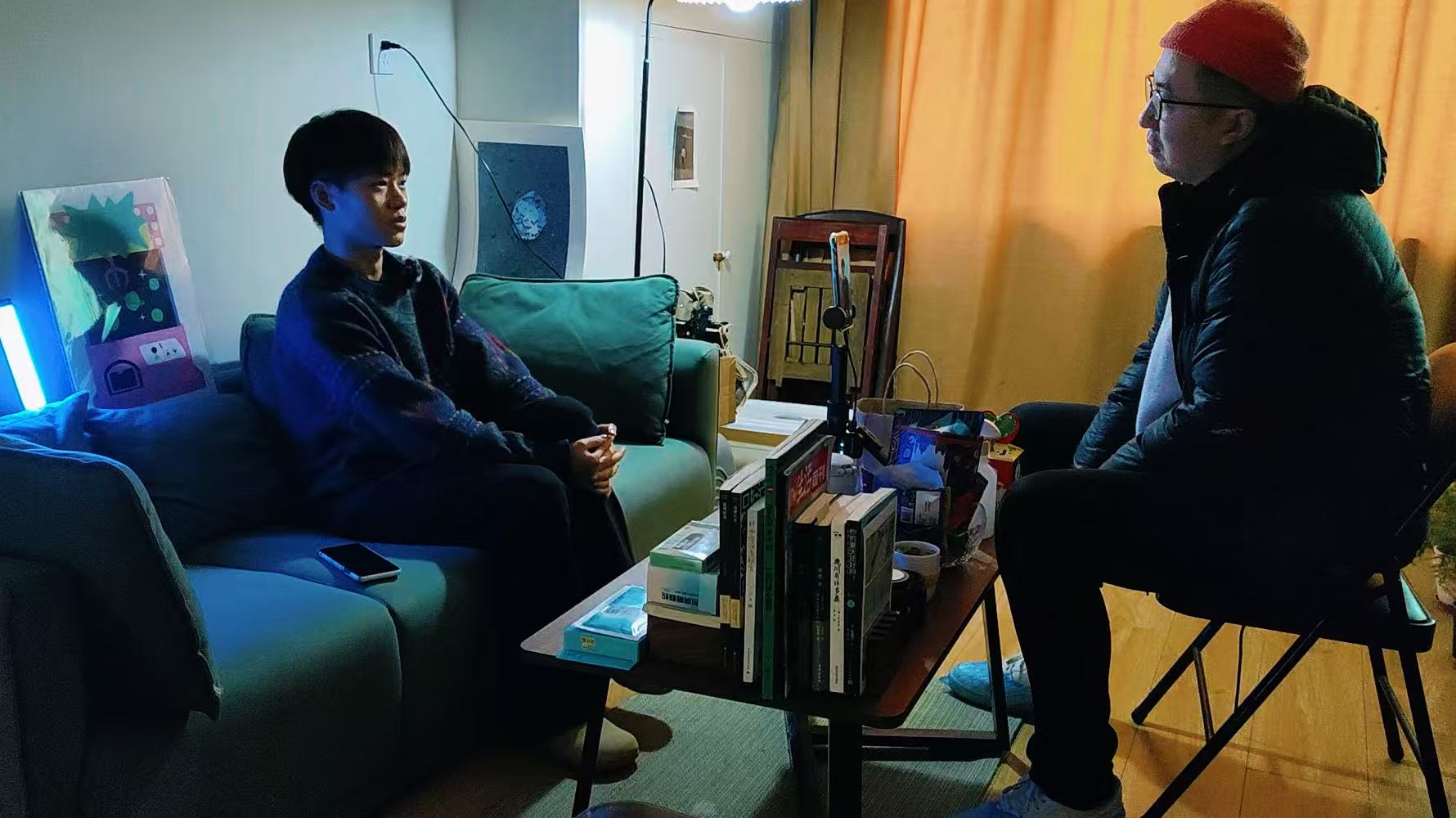
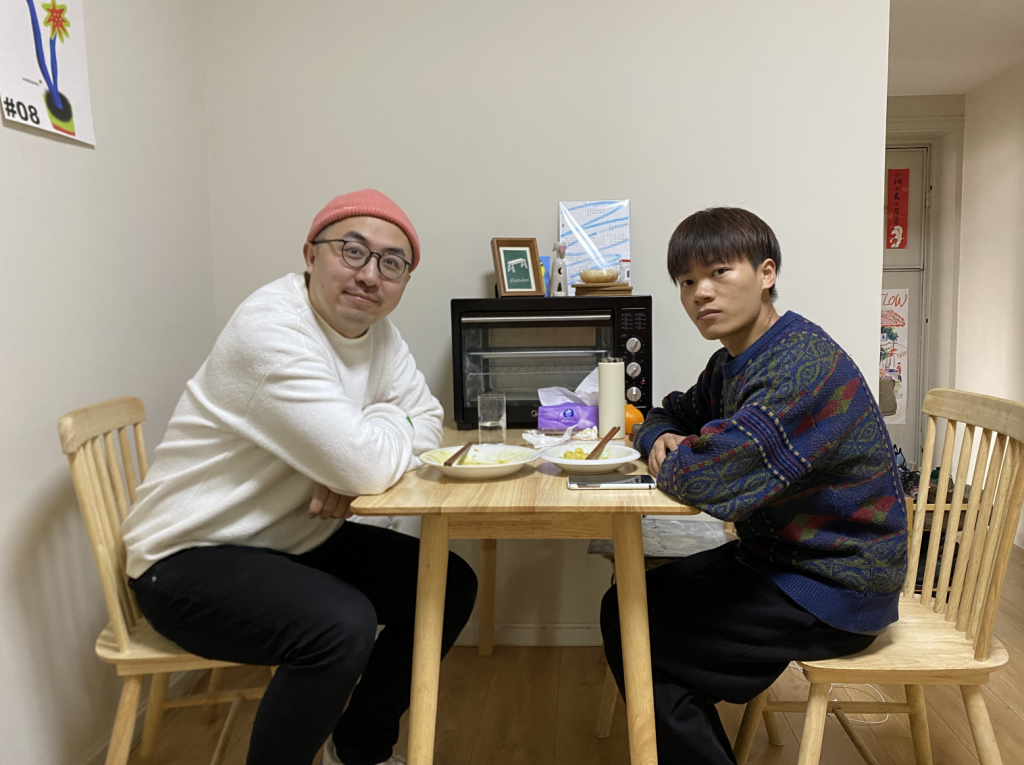
    In 2021, A-Jin quit his job at an education training institute and set up an easel on the streets of Chengdu.
    “The first time I set up a stall, I charged ten yuan per portrait. My hands were shaking as I finished the first one,” he recalls with a smile. At bustling weekend markets, he sketched girls’ profiles in blue lines, earning over a thousand yuan in a single day. But he also endured scorching heat that wilted his paper, leaving him with zero income. Over three years, he accumulated thousands of sketches—and a clear understanding: “Markets are like opening a blind box. But freedom has always come with risks.”

    2. An IP Universe Grown from Sketchbooks

    Keywords: Little A-Hua / Bullhorn Grape Hand / The Red Line Storm
    “My first IP was born in a sketchbook full of doodles.” A-Jin pulls out his phone and shows “Norm”—a round-faced boy with green hair and oversized pink feet. Initially a casual sketch, this character has now transformed into stickers, phone stands, and glass cups, filling his suitcase stall.
    From an art school graduate to a “deserter” of product design, he eventually found peace in IP creation: “Blue lines felt too melancholic; red was more vibrant.” Blending a girly art style with practical merchandise, he quietly amassed over 10,000 followers on Xiaohongshu.

    3. A Floating World of Markets: 1,000 Days and 1,000 Faces

    Survival Rules of the Market

    💥 The Toughest Battle

    • A 40°C heatwave melted his paints, ruining a couple’s portrait order.

    💡 Hidden Business Insights

    • A fixed exhibition spot in a trendy bookstore is more “life-saving” than a roaming market stall.

    🎭 Ultimate Philosophy

    • “Being neighbors with a tarot and perfume vendor only makes my IP stand out more.”

    4. The Reality of an “Unstable” Life

    💰 Income & Expenses

    • Peak earnings: 3,000 yuan per day.
    • Worst days: Losing money just to afford meals.
    • No more “Client Aesthetic Kidnapping”: “I can redo it—but it’ll cost extra.”

    5. A Wild Vision for the Future

    A-Jin plans to cycle across the country with his IP merchandise:
    “Earn travel expenses by selling art during the day, paint the starry sky at night—this is what real ‘on-the-road’ creation looks like.”

  • From Data Analyst to Ink Artist: Wan Xianjing’s ‘Wild Grass’ by the Sewage Ditch

    From Data Analyst to Ink Artist: Wan Xianjing’s ‘Wild Grass’ by the Sewage Ditch

    Introduction:
    At 34, Wan Xianjing resigned from a state-owned enterprise and began using a brush to document the weeds and sewage ditches in the cracks of the city. The transformation story of this young woman from Guizhou has shattered people’s preconceived notions of a “traditional ink artist.” From data analyst to full-time creator, she candidly states, “Beauty is not just in Tibet or Xinjiang; it’s right under your feet while you’re waiting for the traffic light to change.”

    1. From Tobacco Data Analyst to Ink Artist
    “A state-owned enterprise for ten years—my chosen training ground.”

    After graduating with a master’s degree in 2013, Wan Xianjing dove headfirst into a state-owned enterprise in Guizhou. Over ten years, she worked in party affairs, sales, and brand planning. “I wanted to learn how to navigate the real world. An artist cannot live in a vacuum.”

    When she resigned in 2023, her boss repeatedly tried to convince her to stay. “Are you sure you want to leave your position?” she was asked. But she remained unusually clear-headed: “I joined the state-owned enterprise back then to gather enough ‘social lessons’—the sense of responsibility to meet deadlines, the habit of efficient creation—things that are difficult to cultivate in the art world.”

    2. Painting Weeds Under the Overpass, Holding a “Counter-Healing” Solo Exhibition
    “Others say I paint the grasslands of Xinjiang, but it’s actually a sewage ditch.”

    At her solo exhibition at Chengdu Kongzhou Art Museum, viewers marveled at her ink paintings. “Is this aerial footage of Inner Mongolia?” they asked. Wan Xianjing smiled and revealed the truth: “I’m actually painting the mud pits under overpasses, the wildflowers growing at the curb, and the urban ditches filled with oil.”

    Her “Wild” series is fixated on the vitality found in the creases of the city: “Contemporary people always want to quit their jobs and go far away to find healing, but actually, if you look down at your feet—there are weeds in the cracks, moss at the base of walls—these are the overlooked aesthetics of the East.”

    3. Ten Years of “Savage Growth” in the Workplace
    “The real grind of the workplace is my creative armor.”

    Looking back on her career in the state-owned enterprise, she admits, “I gained more than I suffered”:

    • Efficiency Training: Advancing creative work according to a schedule, ensuring quality and quantity, building trust with institutions and collectors.
    • Sense of Responsibility: “An artist cannot just paint when inspired and disappear the next day.”
    • Facing the Market: Analyzing viral trends on Xiaohongshu (Little Red Book): “Traffic is a measure of resonance, but I will never just chase the data.”

    4. Ripping Off the “Female Artist” Label
    “Call me an artist, not a ‘female artist.’”

    “My paintings have no obvious gender bias—human nature has no gender.” This understanding comes from her experience in the workplace: “I used to feel the need to prove that ‘women can do well.’ Now, I just want to say, ‘I can do well.’”

    5. Five-Year Plan: Bringing Ink Art to International Exhibitions
    “The more ink painting is belittled, the more it proves that there are treasures yet to be uncovered.”

    • Creative Goal: To merge Eastern lines with Ukiyo-e techniques, exploring “non-landscape nature.”
    • Market Strategy: Refusing to imitate popular styles, “The wild grass I paint next to a sewage ditch is my secret to gaining traffic.”
    • Ultimate Ambition: By staying at international art institutions, she aims to break ink art out of the “classical nostalgia” framework.
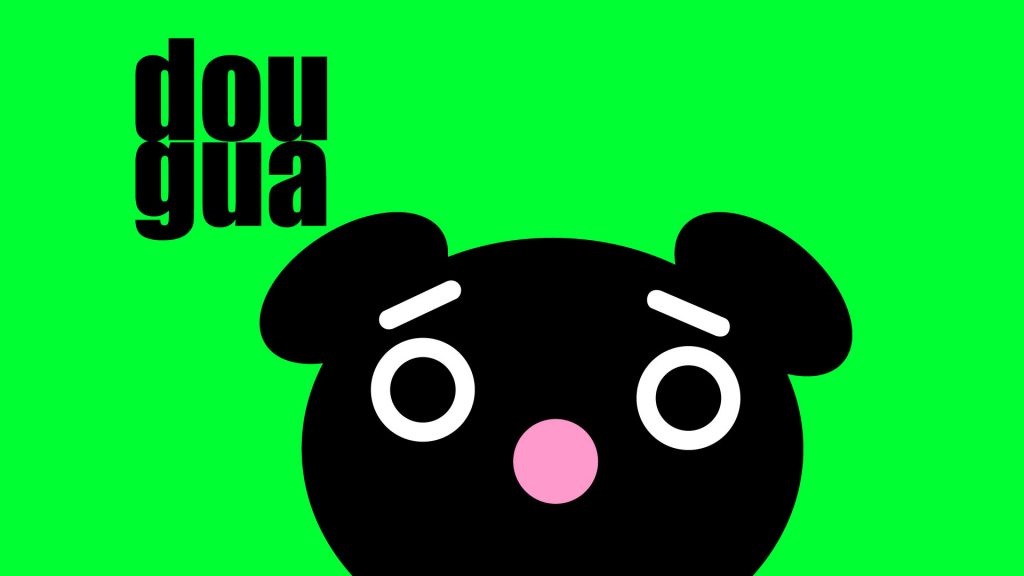
  • Dongkoh’s New IP: Dougua the Piggy and Puppy

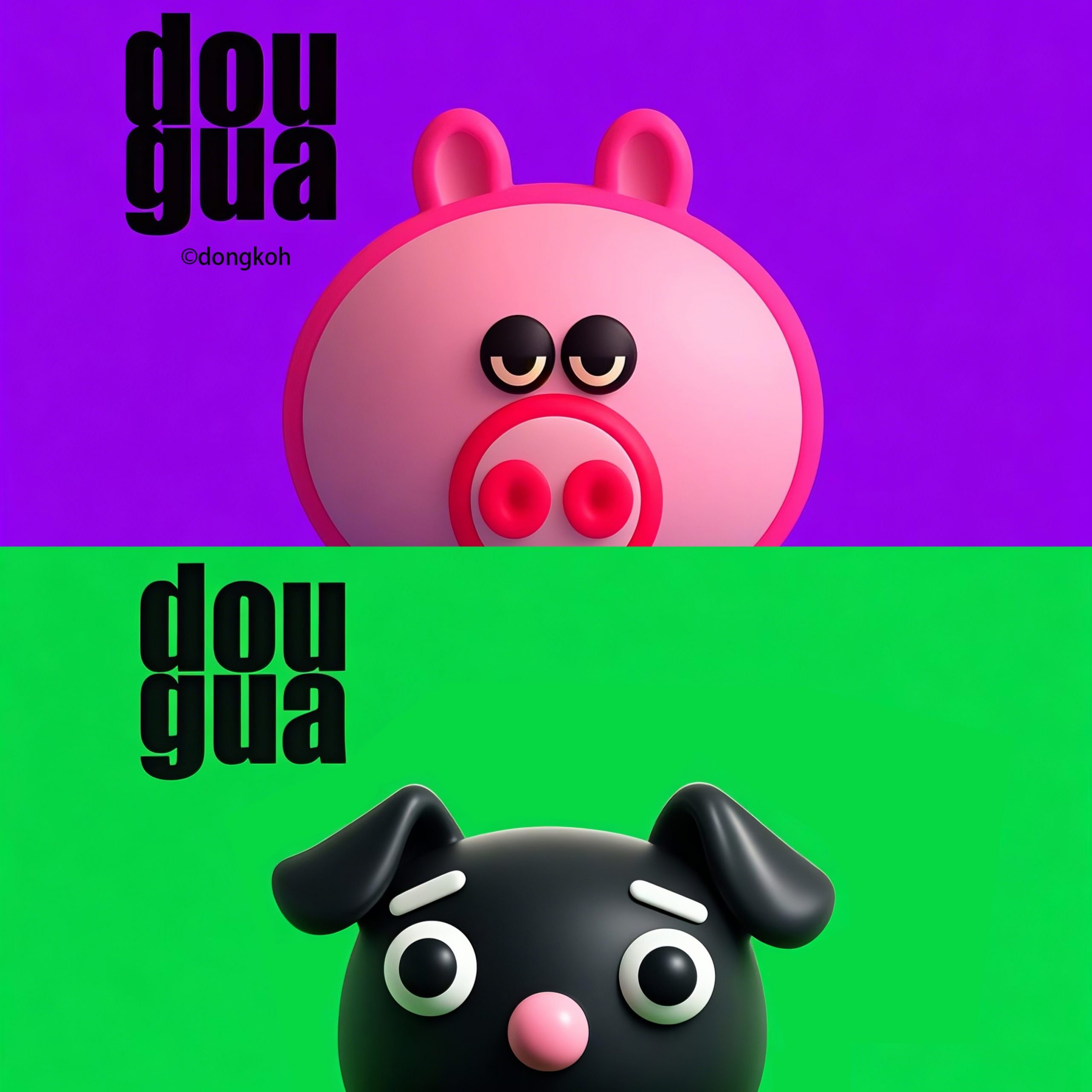
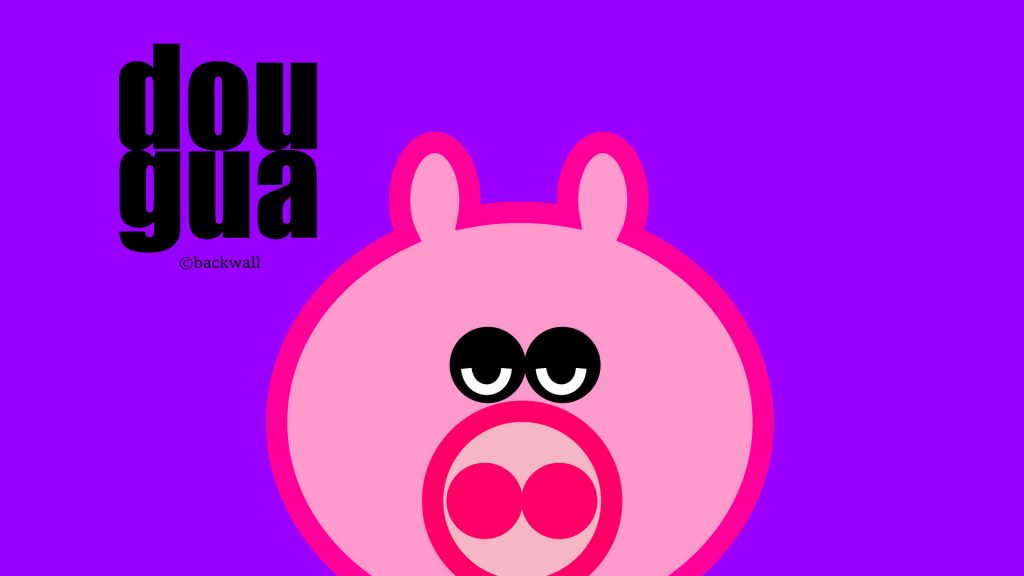
    Dongkoh’s New IP: Dougua the Piggy and Puppy

    For our first attempt at AI-assisted creation, we have transformed two-dimensional designs into three-dimensional cartoon characters. This innovative experiment will be showcased through works released on short video platforms. We will gradually refine the IP character designs and storyline development. Stay tuned!

    (2D)


    (3D video)

  • 15 Years of Symbiosis between Dongkoh and Chengdu’s Animation Ecosystem

    15 Years of Symbiosis between Dongkoh and Chengdu’s Animation Ecosystem

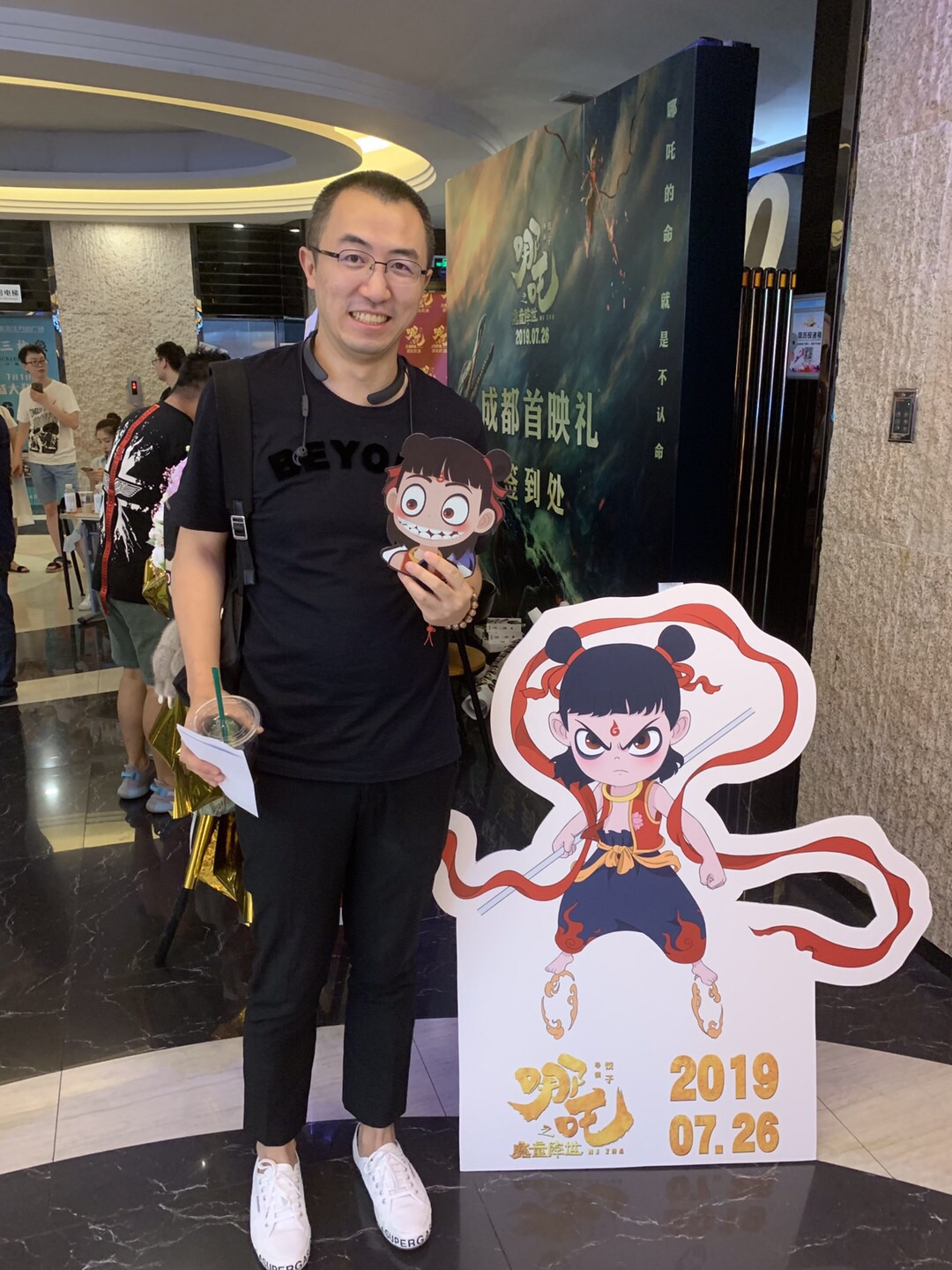
    On the evening of February 13, 2025, at 7:00 PM, the box office of Ne Zha 2 surpassed 10 billion RMB, marking a new peak for Chinese animated films. When Ne Zha: The Devil’s Child ignited the industry with a 5 billion RMB box office in 2019, the animation community in Chengdu may not have imagined that this city, once lacking leading companies, would become an important soil for the new power of domestic animation. Along the way, Dongke and Chengdu’s animation community have witnessed each other’s growth, marking the strategic shift from Dongke’s national expansion from Beijing in 2004 to its focus on one region starting in 2011.

    1. 2010: From Beijing to Chengdu—A “Counterflow” Media Entrepreneurial Decision

    Around 2010, the Chinese animation industry was highly concentrated in first-tier cities. At that time, Chengdu had no leading companies, but Dongke felt a unique sense of development mission for its hometown. More importantly, Chengdu’s vitality—“There are no barriers between small studios; everyone can freely share their real ideas and difficulties, and seek collaboration. Especially at the end of 2010 during the ‘Finding Direction’ event, almost all 40+ animation organizations in Chengdu participated in the exchanges.” This friendly, candid exchange atmosphere became the core reason for Dongke’s resolute decision to leave Beijing and return home. The support and encouragement from Chengdu’s animation community were a clear contrast to the “suspicion, even disdain” encountered in other regions.

    “It’s not talent that’s missing here, but the soil to help talent grow.” Dongke observed early on that most Chengdu animation organizations were still confused, which led them to focus on “finding direction.” At the conference, attendees reached a consensus: they wanted to make animated films. Figures like Liu Wenzhang, Lu Hengyu, and Mao Qichao, when attending the event, all chose a path less traveled—creating original works and making films. Chengdu, as an inland city without platforms or capital, displayed a kind of stubborn ambition. After the conference, Dongke wasted no time in planning to settle in Chengdu and began to grow alongside the city’s animation community.

    2. The “Leverage Effect” of Vertical Media: From Information Transmission to Ecological Catalyst

    The value of professional vertical media extends far beyond reporting industry trends. Over the past 15 years, Dongke has consistently played the role of brand public relations:

    • Industry Conferences: In 2010, the first animation industry exchange conference in Chengdu was held with the support of the Chengdu Youth League Committee’s Entrepreneurship Office, Beijing Wuzhou Communications Network Center, Sichuan Conservatory of Music, and Chengdu Academy of Fine Arts’ Animation Department. Over 40 participants had the opportunity to speak and exchange ideas.
    • In 2014, on Dongke’s 10th anniversary, they facilitated deeper involvement of enterprises in industry activities, co-hosting events with Chengdu Qi Ying Animation.
    • At the end of 2019, Dongke co-hosted the “Animation as Communication 3” conference with the Chengdu Animation and Game Association, gathering all of Chengdu’s animation enterprises responsible for new media to engage in industry exchanges and strengthen communication.
    • Animation Art Exhibitions: At the end of 2011, Dongke collaborated with Langqiao Art Space to successfully hold a one-month animation short film screening and animation manuscript exhibition. It brought together animation majors from major art academies across the country. Compared to art museums in other cities, Chengdu truly felt like a blessing with its low venue fees.
    • Investment Roadshows: At the end of 2017, Dongke began exploring ways to connect capital and animation teams based on industry development trends. Chengdu’s animation companies came together to actively share their latest developments and experiences.
    • IP Licensing Matchmaking: In late 2024, with the support of the 2025 Shanghai Licensing Expo, Dongke and the Chengdu Animation and Game Association jointly hosted the first IP Licensing Matchmaking event, inviting 10 IP holders to attend and discuss potential collaborations.

    These are the main ways Dongke has served the Chengdu animation industry ecosystem, providing a model for other regions. Dongke believes that China’s market is large and advantageous, but also acknowledges the challenges. Having the industry concentrated in one city helps foster mutual trust and cooperation between companies, allowing them to effectively utilize and develop local industry resources. For instance, Japan and South Korea’s industry clusters are based in their capital regions. When vertical media continuously serves as “connectors” and “accelerators” for the industry, scattered individuals can come together to create something monumental.

    3. The Road Ahead: Ecological Health is More Important than Short-Term Explosions

    Recently, various local governments have been researching how to better support the development of the animation industry. Based on the animation environment in Chengdu, Dongke offers the following four simple suggestions:

    • Build a “Chengdu Animation Center” as a physical space for product sales, exhibitions, and leisure consumption scenes. Reference: Tokyo Anime Center in Japan.
    • Promote the creation of an affordable shared office space dedicated to animation and gaming, to support the growth of small enterprises and creators. Reference: WeWork.
    • Support the development and survival of industry vertical media. Reference: Game Tea House.
    • Subsidize Chengdu art spaces for supporting animation and comic content exhibitions and children’s animation education. Reference: A4X Art Space.

    Conclusion

    Dongke’s transformation from media to brand public relations aims to enhance the brand recognition of animation enterprises and build momentum for the industry. For the future development of vertical media, it’s crucial to build trust and reduce communication costs. The industry is an ecosystem as a whole—vertical media should not be viewed as mere ambition, nor should there be excessively high expectations or cooperation costs. Instead, we should believe in growing together.

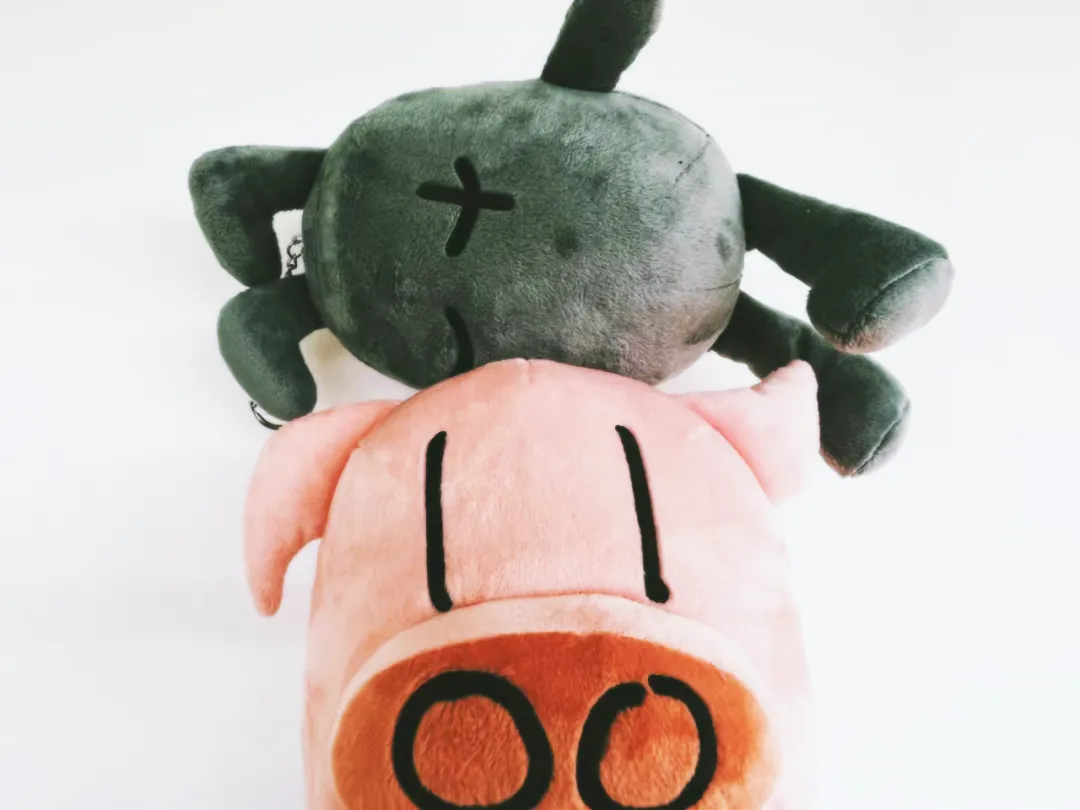
  • Fan Echoes: When We Hold on to Black Rabbit Pink Pig, We Are Actually Embracing Our Own Scars

    Fan Echoes: When We Hold on to Black Rabbit Pink Pig, We Are Actually Embracing Our Own Scars

    — Real Letters and Comments from Fans (Compiled and formatted by DeepSeek)

    “This isn’t a comic; it’s the torn-up diary of my life” 📖
    “One night, I stumbled upon your video and started watching from the beginning. I watched for over three hours and cried many times… I can’t imagine what it must’ve been like for him in that environment, taking medicine that made his mind slow and forgetting the people he loved.” — @失眠可乐罐
    “I watched all your works, in order, for three hours. My thoughts afterward: being low isn’t the only way out for txl.” — @重生之我
    “After watching, I felt that emotions are really complicated, like my past shadow dancing on paper.” — @午夜漫游者

    Character Reflection: We Are All PINK, and We’ve All Been BLACK 🪞
    “Everyone has two characters within them, maybe we’ve all been PINK or BLACK at some point.” — @人格分裂症候群
    “When I saw BLACK using a flirtation app to talk to someone, I suddenly realized I was that jerk who made my ex lose sleep.” — @忏悔的夜猫
    “As a music major, seeing PINK insist on doing design felt like seeing myself, still gritting my teeth and practicing the piano.” — @钢琴键上的泪

    Pain Aesthetics: Finding Candy in Shards of Glass 💔
    “Every time I see it, I replay it multiple times. This is what reality literature feels like—so bare and stark.” — @自虐式追更
    “The part where PINK pretends to post a ring on WeChat, I cried under the covers until the neighbors called the cops.” — @眼泪成诗
    “Thank you, blogger, for curing my love-stricken brain, though the cost was three days of not daring to open WeChat.” — @水泥封心

    Dimension Healing: Healing Real Wounds in a Virtual World 🩹
    “I just handed in my resignation and saw this post! Now I’m getting ready to learn how to draw by hand and fulfill my dream from junior high.” — @裸辞勇士
    “I’m a music student here! Your comic reminds me of those piano nights where I comforted myself.” — @琴房幽灵
    “Following PINK’s example and deleting my social media—finally, I don’t have to perform the perfect persona every day.” — @朋友圈逃犯

    Collective Petition: Give the Wounded Soul a Hug 🤲
    “Please, please release an extra chapter! Let PINK meet a rabbit who truly cherishes him.” — @亲妈粉联盟
    “I suggest a paid service called ‘Wake Up BLACK with a Scolding’—I’ll be the first to crowdfund it.” — @暴躁老姐
    “I hope that, even from afar, you, too, will be gently embraced by the world.” — @平行宇宙的PINK

    Ultimate Resonance: Crying Your Own Tears in Someone Else’s Story 💧
    “Although the art style is simple, the story is as multidimensional as my life’s anatomy chart.” — @INFPer
    “Reading your comic is like looking into a talking mirror.” — @孤独观测者
    “Thank you for showing me that I’m not the only one, counting scars in the deep night while waiting for dawn.” — @凌晨四点星

    (All content is directly from real fan comments, with only necessary formatting adjustments.)