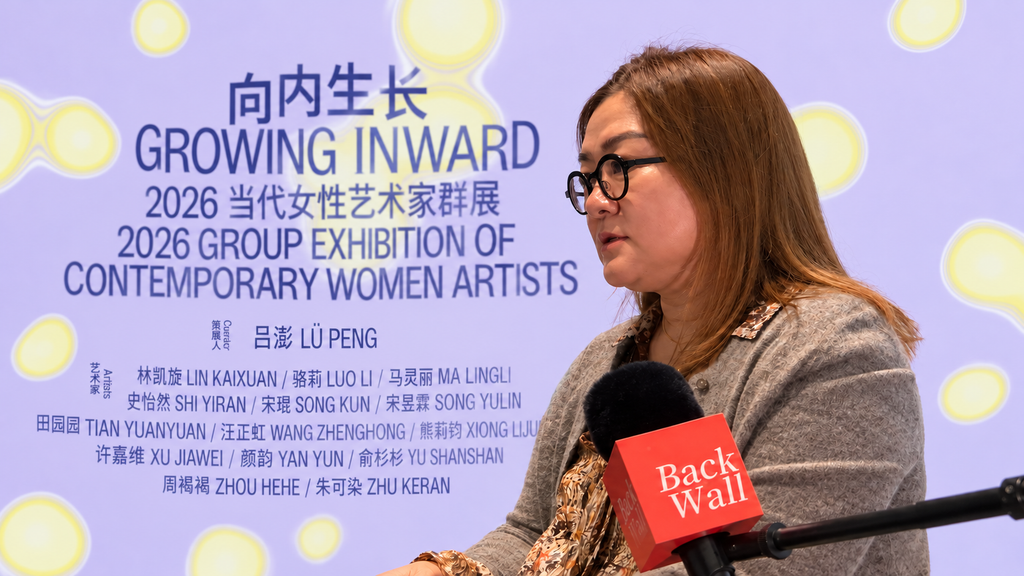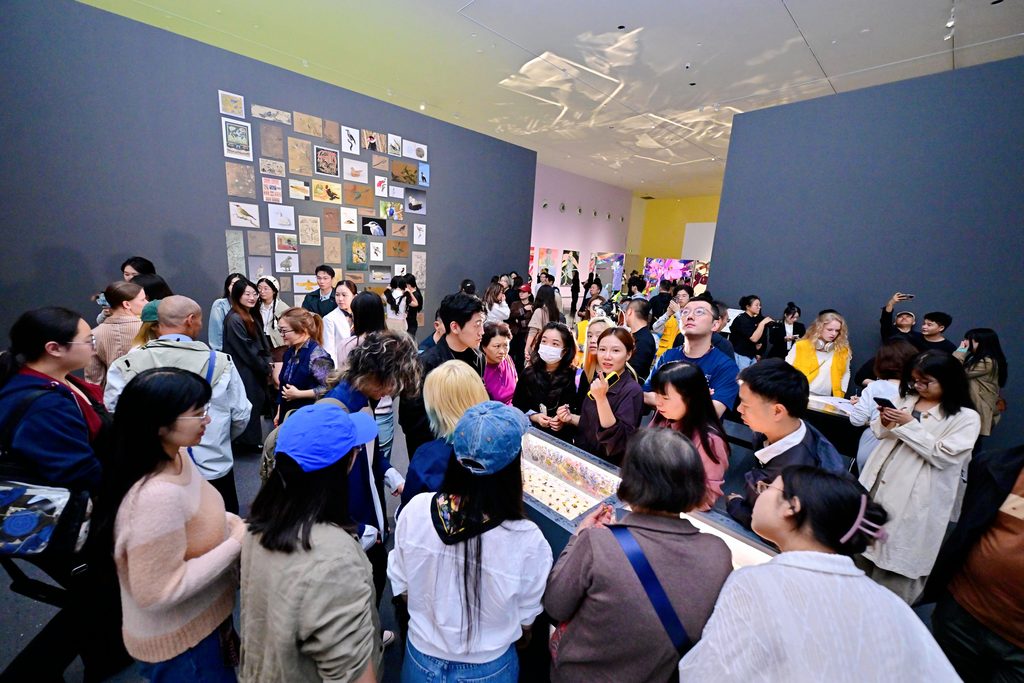
From October 10 through November 22, 2026, Growing Inward, a group exhibition of contemporary women artists curated by Lü Peng, is on view in Hall B2, Zone B, at the Chengdu Art Museum. Through their individual practices, 14 artists explore personal experience, inner life, and their relationships with the world around them.
On October 9, the day before the opening, BACKWALL spoke with artist and China Academy of Art faculty member Wang Zhenghong at the exhibition. She was the first woman artist we interviewed for this series.
Looking at her birds, my first thoughts were about ecology, freedom, and the fragility of life. But Wang brought the conversation back to what mattered more to her: the connection between historical painting and the present, and how a person comes to understand their own inner world.
In a follow-up conversation, she clarified her understanding of the exhibition’s theme:
“Growing inward” means looking within. For her, making art begins with developing one’s inner life and paying attention to what one truly thinks and feels. As that understanding matures, the work gradually takes shape.
An Old Painting Opens a Conversation with the Present
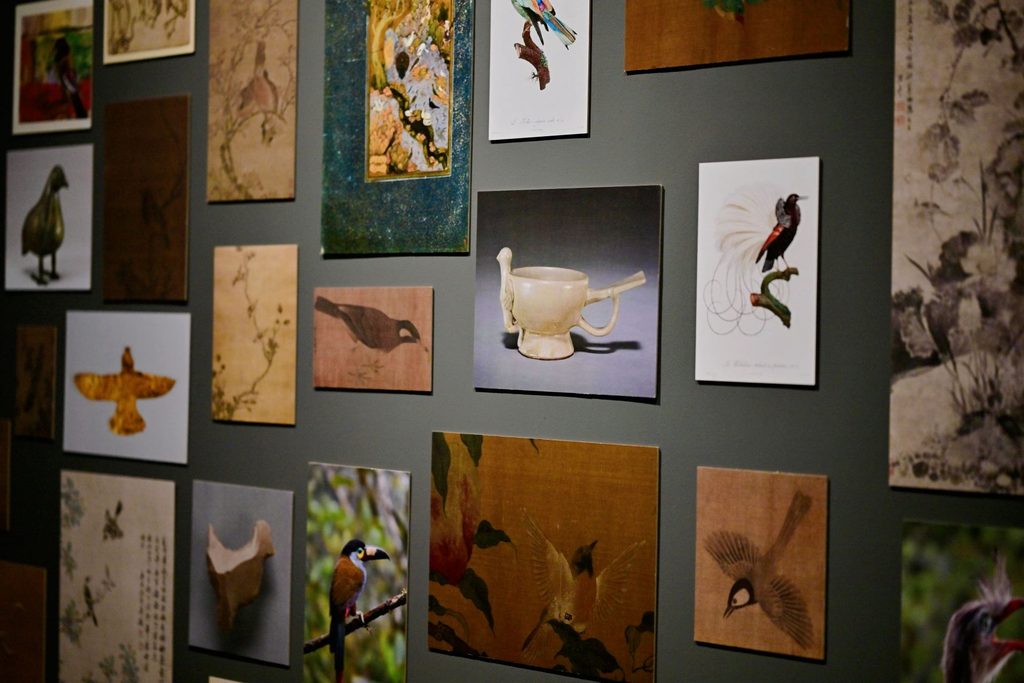
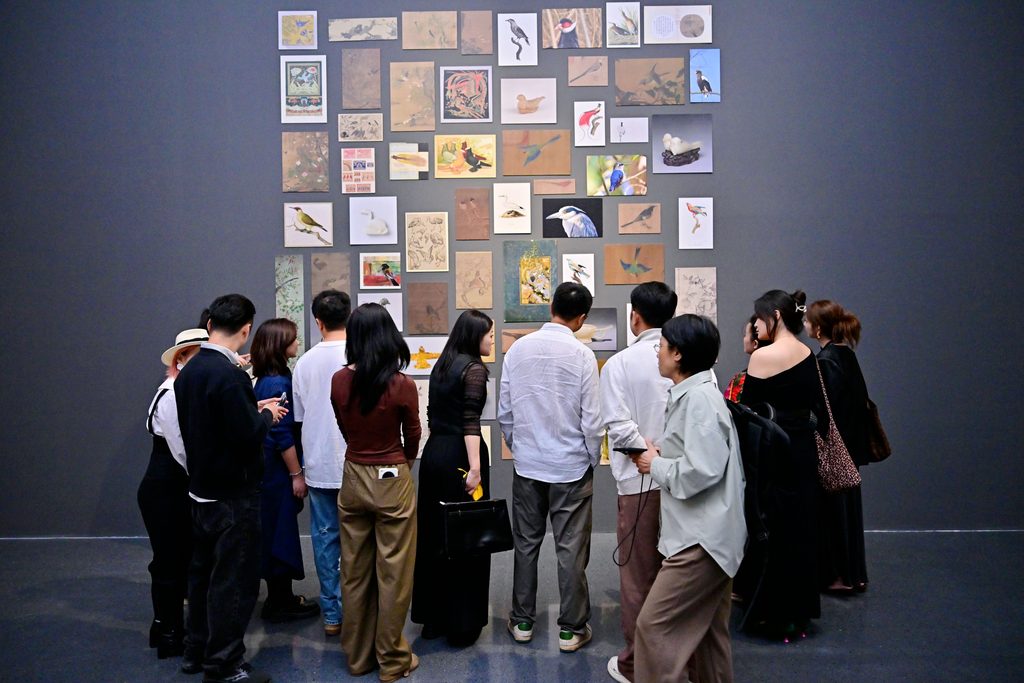
The starting point for Wang’s project was Sketches of Rare Birds, a painting by Huang Quan from the Five Dynasties period.
While preparing her contribution to the Chinese Pavilion at the 2024 Venice Biennale, she made many sketches. Then, while looking through a volume of A Comprehensive Collection of Ancient Chinese Paintings, she stopped at this particular work.
What caught her attention was more than the birds’ forms. It was the relationship among the living creatures in the painting.
The birds, insects, and turtle each occupy their own space. Their gazes never meet. To Wang, that sense of separate lives sharing one image connected with the Biennale’s theme, Foreigners Everywhere: each creature exists alongside the others, yet remains an individual.
She described it as a connection with an artist across centuries.
So when I approached the work through ecology and environmental concerns, she clarified her intentions. Its more immediate starting point was her interest in social relationships, and in the differences and dialogue between historical painting and contemporary life.
To understand the work, we need to get closer to how it actually came about. Birds can suggest many things to a viewer. For Wang, this project began with a particular moment of looking—and the questions that followed.
“Would You Take Me with You to See Your Hometown?”
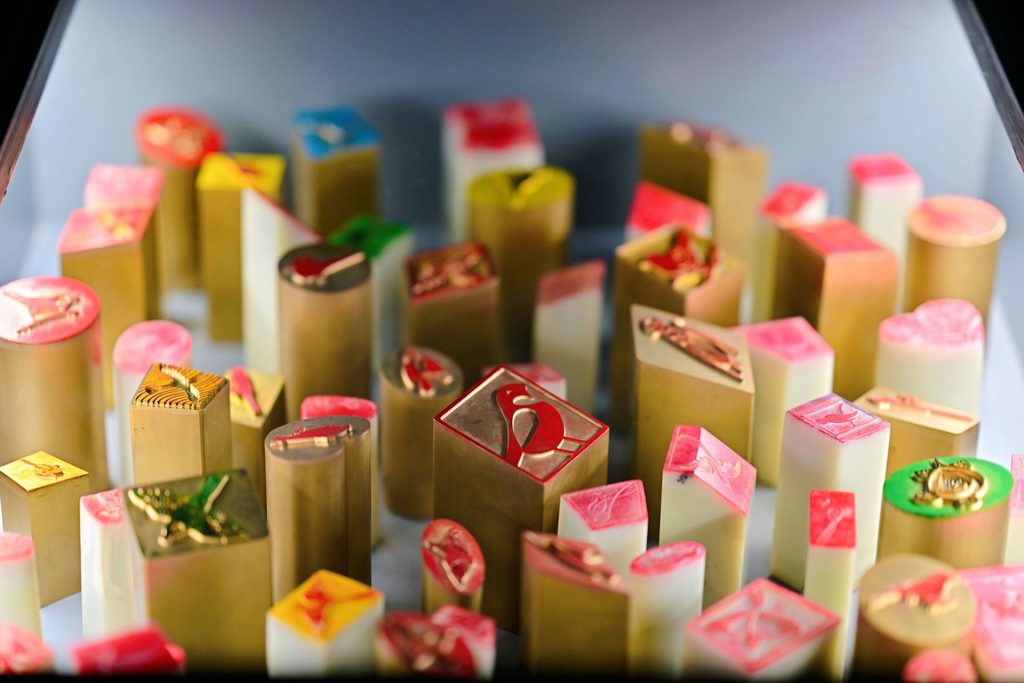
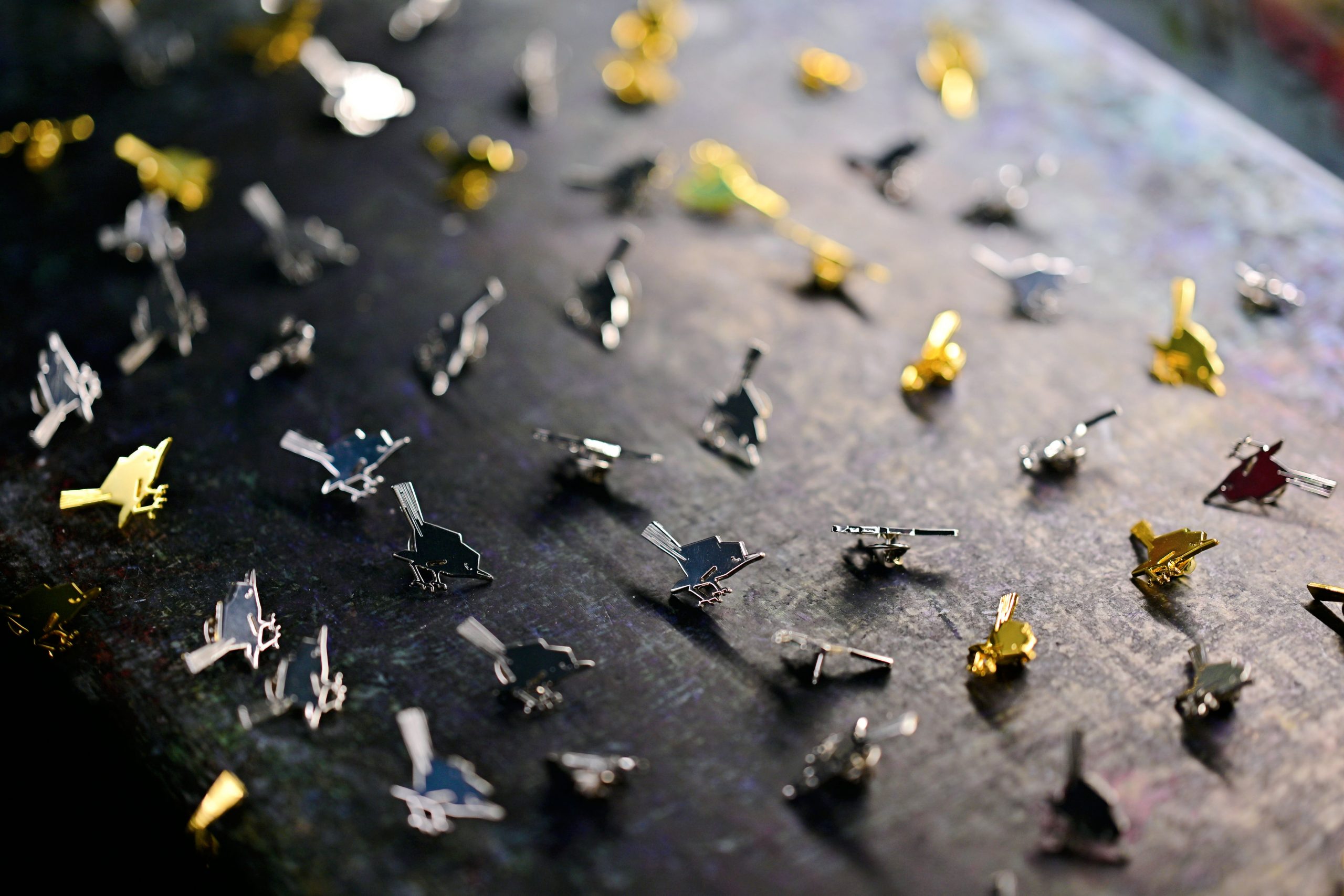
Drawing on Sketches of Rare Birds, Wang developed around seven distinct bird designs and launched an exchange project in Venice.
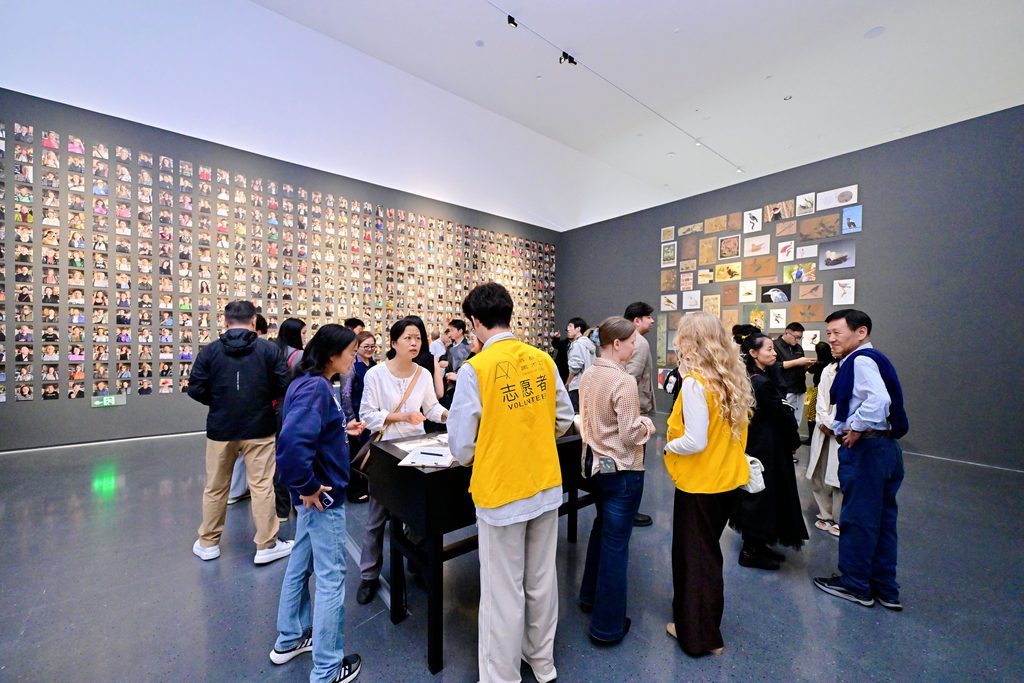
As she explained, the project invited 10,000 participants from different countries and walks of life. They would leave their personal information and addresses as part of the project’s archive. In return, they would receive a bird they could wear.
She spent six months making the birds. When describing that process, she called it “raising” them.
From their creation to being worn and carried out of the pavilion, the birds became a way for people to connect.
“This bird is actually me.”
She built a romantic story around the exchange: “Would you take me with you to see your hometown and meet your family?”
That invitation gave a personal meaning to an encounter between strangers.
Having lived in China and abroad, Wang has often thought about what people and birds share. People return to their parents for Chinese New Year; birds migrate with the seasons. People build houses; birds build nests. Leaving, returning, and needing a place to call home helped her find connections between different forms of life.
Visitors took away a bird, along with its story. From there, the work became part of their everyday lives.
How Public Art Becomes Part of Everyday Life
The Venice installation also featured handmade bird callers. Friction between metal and wood produced a sound resembling a magpie’s call, drawing visitors toward the work. Then came the exchange, the wearing of the birds, and the act of carrying them out of the pavilion.
For Wang, the public dimension of the work unfolded through those actions and relationships.
She wanted visitors to take something with them after seeing the exhibition. Their bodies became carriers of the artwork, and their journeys brought it into lives elsewhere.
Participation and circulation became closely connected. The story drew people in, and their involvement allowed the connection to continue.
The presentation in Growing Inward is what she calls “version 2.0” of the Venice project. Images of some participants reappear in the exhibition, opening another conversation alongside the birds. She also hopes to engage with audiences in Chengdu and develop a future “version 3.0.”
As a Woman, and as a Person
Because this is an exhibition of women artists, I wanted to ask: Do the birds express a woman’s desire for freedom? Could they also reflect a sense of vulnerability?
Wang acknowledged that women and men may notice different details. But she has never confined her creative thinking to a particular gender.
What matters more to her is how she lives as a person in this moment: What is her place in the world? How is she connected to society and to the past? Where is she headed?
These questions underpin her understanding of herself and her work.
When I mentioned the feelings of disorder and vulnerability I had experienced in some of the exhibition’s pieces, she offered a different perspective.
“I’m an optimist.”
She spoke about how her upbringing shaped her, and about the importance she places on strength and a sense of direction. As an educator, she hopes young people can hold on to that sense of purpose.
Her answers reminded me that women artists bring different experiences and perspectives to their work. A viewer’s response can be a starting point for a question. The artist’s answer can deepen that response—or change it altogether.
Develop Your Inner Life, and Let the Work Grow from There
During the interview, I connected Wang’s earlier “roly-poly” figures with her birds, suggesting a creative progression from “standing back up” to “flying outward.”
In our follow-up conversation, she made clear that this was not how she understood “growing inward.”
What she emphasized was introspection: paying attention to the thoughts and feelings within, and developing that inner foundation before making work. As a person’s understanding and abilities mature, the work can gradually emerge.
This also connects with what she called “inner work” during the interview.
In her view, artists need to develop themselves and their own artistic language before considering their relationship with the outside world. Her dialogue with historical painting has given her another way to think about that process.
How a work is presented and how it connects with an audience both grow out of the artist’s self-understanding and accumulated experience.
As for her next project, she said she is thinking about people’s inner needs and the questions everyone faces simply by being alive. She would rather leave its specific form for a future exhibition.
After this conversation, “growing inward” became more concrete for me.
For Wang, it means turning her attention back to herself, recognizing what she truly thinks and feels, and patiently developing her inner life.
Her work gathers strength through that process—and gradually takes shape.
Exhibition: Growing Inward — A Group Exhibition of Contemporary Women Artists
Curator: Lü Peng
Dates: October 10–November 22, 2026
Venue: Hall B2, Zone B, Chengdu Art Museum
Based on BACKWALL’s on-site interview with Wang Zhenghong on October 9, 2026, and her subsequent clarifications. Spoken remarks have been lightly edited for clarity and concision. Images courtesy of the exhibition organizers.