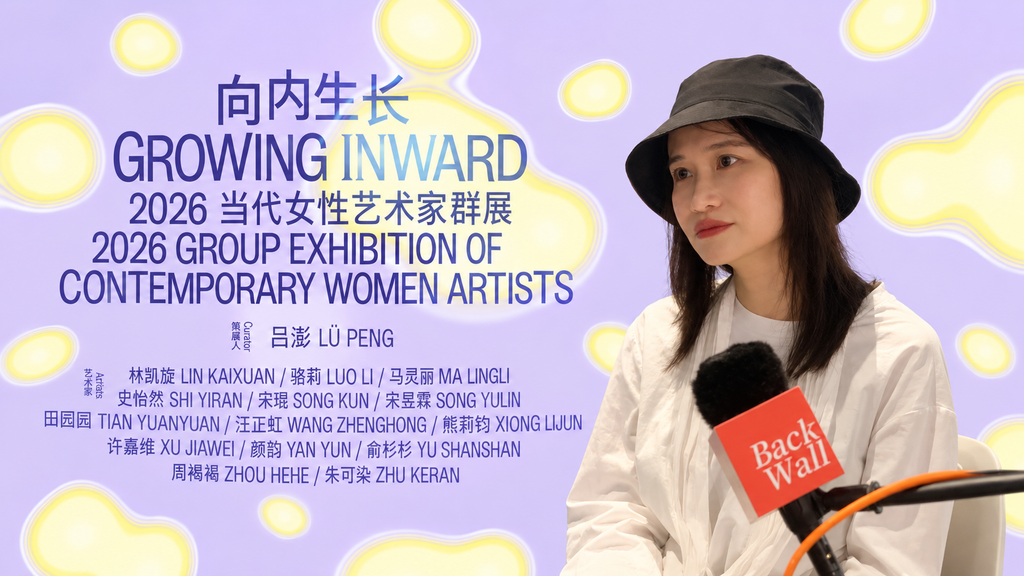
From October 10 through November 22, 2026, Growing Inward, a group exhibition of contemporary women artists curated by Lü Peng, is on view in Hall B2, Zone B, at the Chengdu Art Museum. On the morning of October 10, BACKWALL spoke with participating artist Yu Shanshan.
Originally from Chongqing, she spent seven or eight years living and working in Beijing. Over the years, she has explored painting, installation, video, and performance.
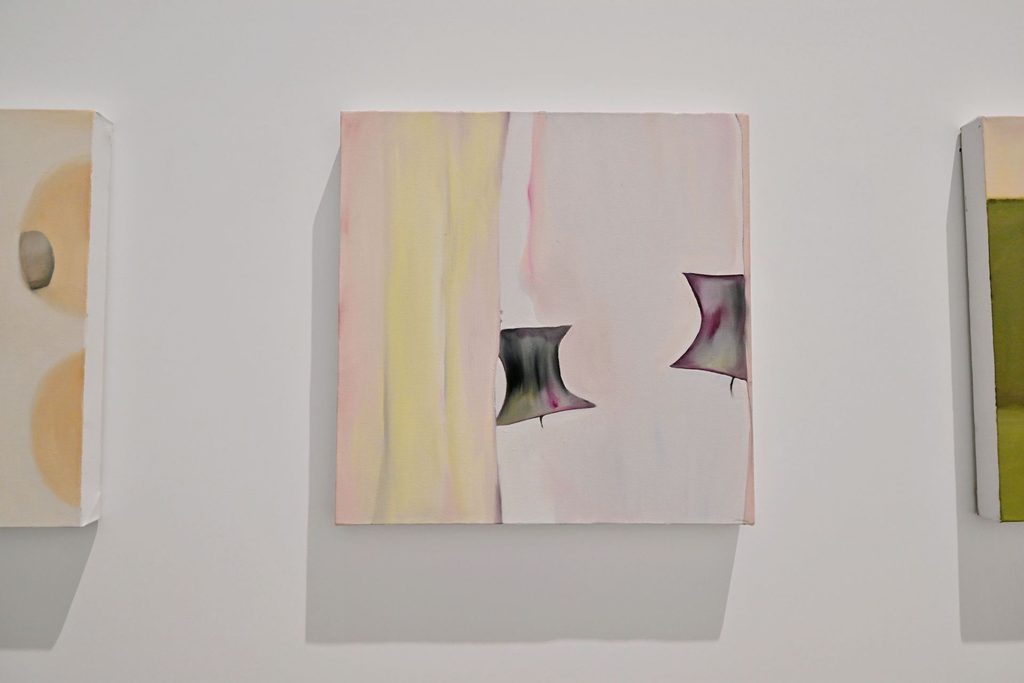
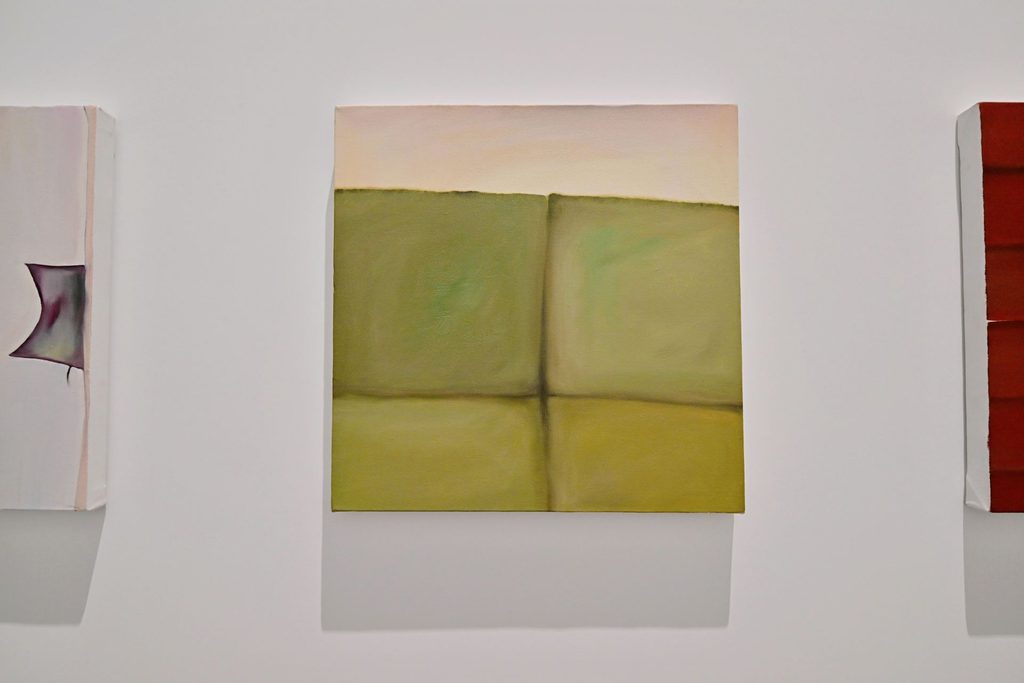
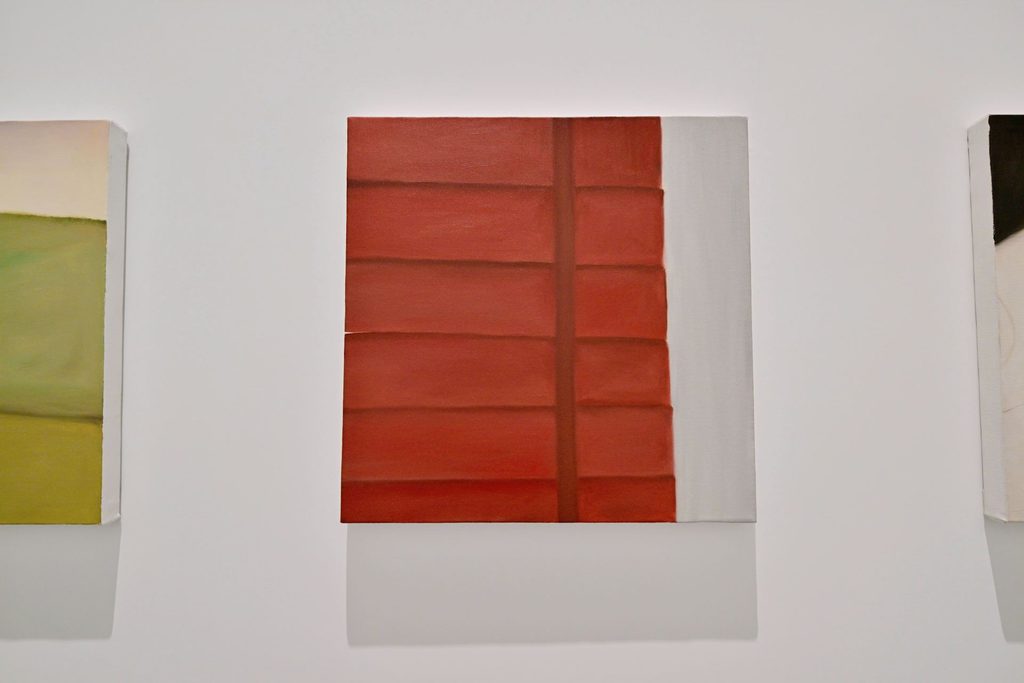
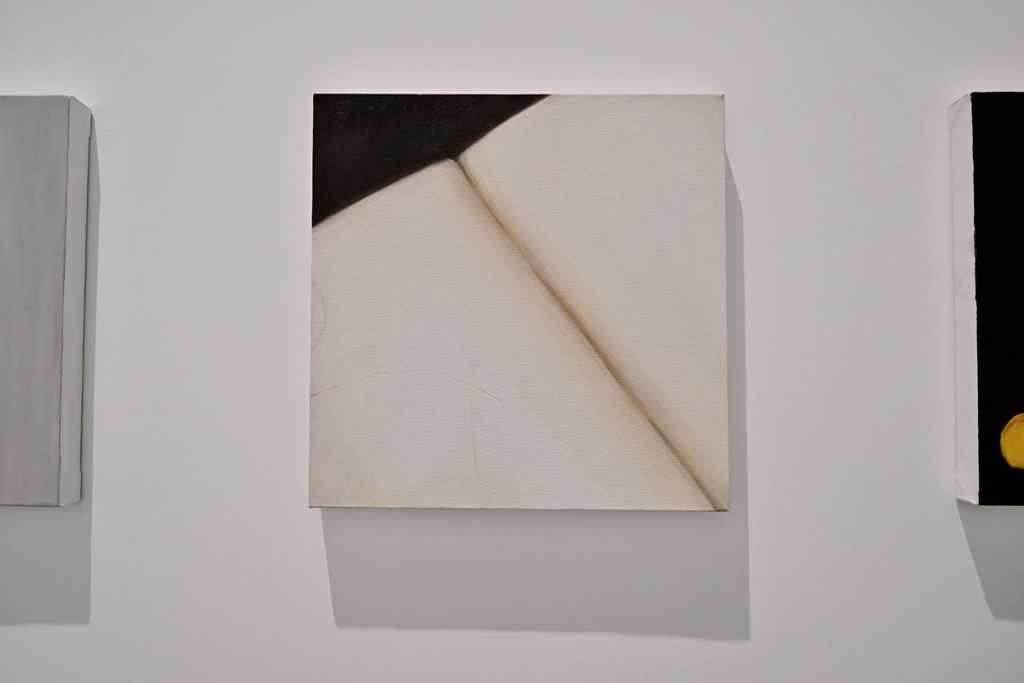
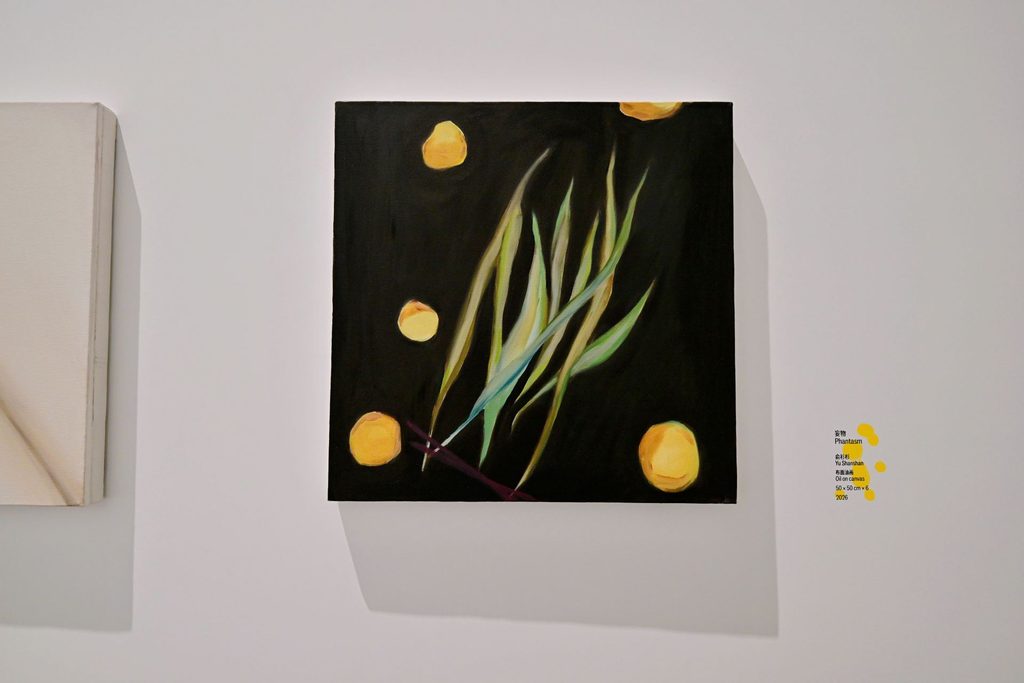
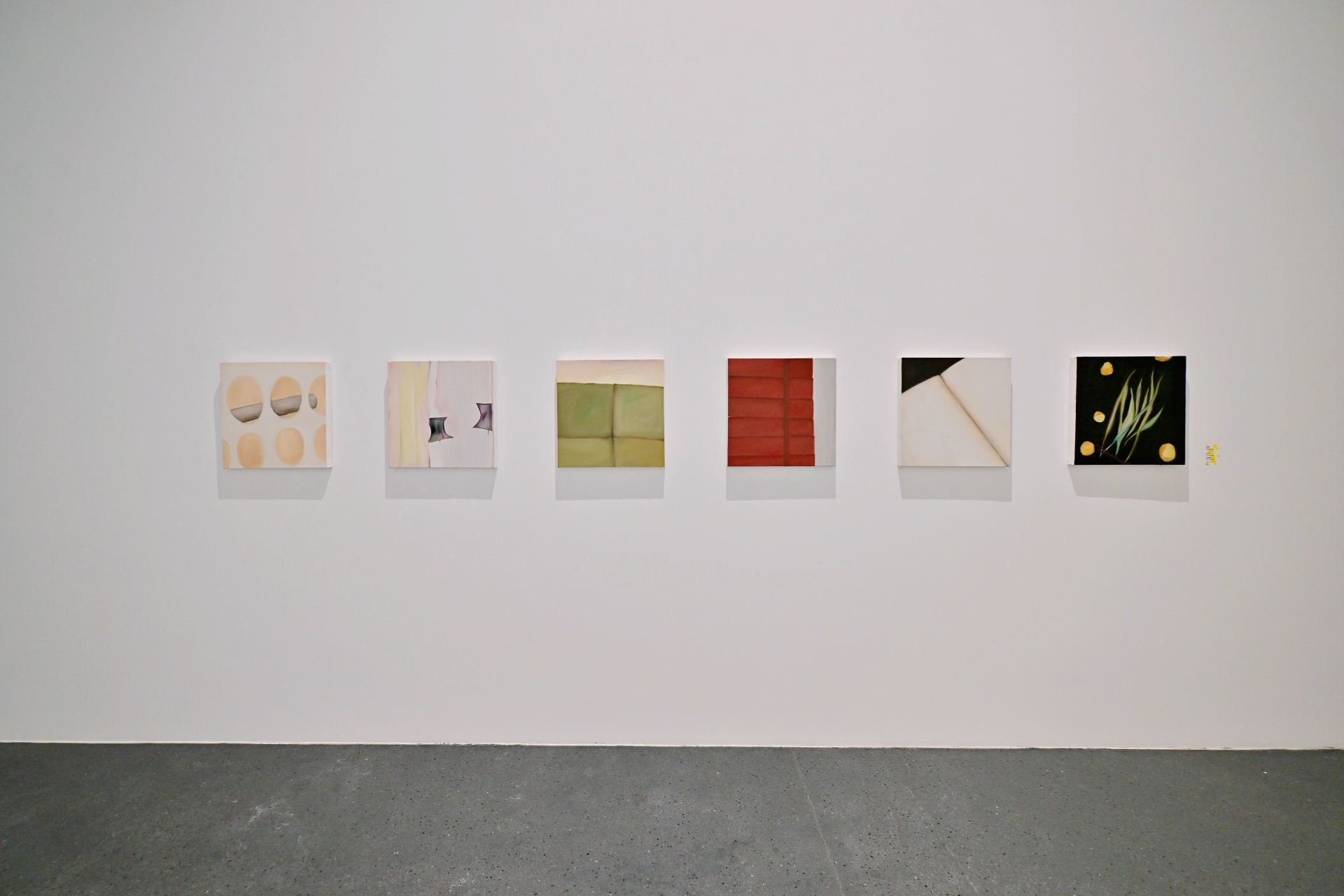
My first impression of her Wang Wu series was a sense of familiarity mixed with uncertainty. The images seemed to resemble small, everyday objects. But the longer I looked, the harder it became to say exactly what they were.
That hesitation—the moment between recognizing something and questioning it—is precisely the space she wants to leave for viewers.
When We See Something Too Often, We Stop Really Looking
Yu began Wang Wu this year. The series now includes more than 20 works, six of which are featured in the exhibition.
She explained that wang, the first character in the Chinese title, carries associations with illusion and imagination. The works begin with everyday objects, then transform them into something that sits between the recognizable and the unfamiliar.
Why choose these objects?
She offered a simple example: write the same character over and over, and you may stop paying attention to what it means. Everyday objects can work the same way. We see them so often that we get used to them, overlooking their forms, structures, and patterns.
Yu wants to bring those overlooked qualities back into view.
The works retain a certain visual order and enough recognizable features to spark associations. But they never settle into a single, definite answer.
“It feels like I recognize it. But then I realize that maybe I don’t.”
She hopes each viewer will respond differently to these “things.” Looking becomes a process: first we recognize, then we question, and then we search our own experience for a connection.
Some Images Arrive Just Before Sleep
Wang Wu also draws on Yu’s personal memories.
She is interested in things that are “small and beautiful”—little objects that may seem unremarkable but hold something intriguing. She starts with things she encounters in daily life, changes their forms slightly, and looks for a relatively simple way to express them.
Some works begin in the moments just before she falls asleep.
As she drifts off, images appear in her mind. They connect with things she has experienced or encountered, but as her awareness grows hazy, their shapes begin to shift.
She finds that state fascinating and brings some of those transformations into her work.
Hearing this helped me understand the mix of familiarity and strangeness in the series. The images have roots in daily life, but memory and imagination rearrange them.
For me, this offers a way into the idea of “growing inward”: noticing those fleeting, subtle images within us, even before we can put them into words.
From Faces and Skin to the Surfaces of Things
Yu’s work has changed considerably over time. During our conversation, though, she explained the connections between its different stages.
Early on, she worked with performance and video. When she later turned to painting, she took fragments of women’s faces from selfies and reworked them. At the time, she was interested in faces, skin, and their existence as “surfaces.”
That interest gradually expanded.
She began to see skin, landscapes, and objects as things made up of different surfaces. She then created landscape paintings connected to her earlier exploration of skin. More recently, her attention has shifted to everyday objects.
Faces, landscapes, and objects may seem like separate subjects, but the idea of the surface connects them.
She has also been reconsidering how viewers enter her work. After a more abstract period, she now wants to retain a degree of recognizability, giving people a familiar shape from which their imaginations can begin.
The work needs a starting point for association, along with room for viewers to take it somewhere of their own.
Gender Is Present Without Being the Starting Point
Since this is an exhibition of women artists, I asked whether she had specifically considered the relationship between her gender and the works she chose to show.
Yu said she had not deliberately emphasized her identity as a woman. Still, her observations, memories, and experiences naturally enter her work.
Her answer brought the conversation back to the details of everyday life.
What catches her attention? What does she find interesting? Which images stay with her, and how does she transform them? Those choices already carry her experience.
Understanding how gender enters the work can begin with these small details: how a person looks at the everyday, holds on to memories, and gives form to feelings that are difficult to explain.
They Look Simple. Getting There Is Hard.
Yu enjoys new experiences and likes changing the way she works.
After spending a long time in one phase, she gets restless and wants to try something else. Friends and curators sometimes see a continuous thread running through her different bodies of work. To her, they can feel as though six or seven different people made them.
Those changes are part of how she gets to know herself.
But trying many things does not mean the work comes easily.
She said her most productive creative time usually lasts only an hour or two a day—sometimes less. After that concentrated period, she may keep putting in the effort, but the results often leave her dissatisfied.
“My work may look pretty simple, but I actually discard a lot of it.”
As she described it, she might make ten pieces and end up keeping only two.
Behind those spare, simple-looking images is a process of testing, judging, and letting go. She needs to find the right working state, while accepting that much of what she makes will never become finished work.
You Have to Try Things to Know What Fits
We also discussed her postdoctoral work in design.
She spoke openly about how that decision related to planning her life and finding a relatively stable job. She does not believe that making art necessarily requires advanced academic qualifications.
Her approach to different media remains open.
For her, a medium is a way to express an idea. An artist can paint, make videos, or create installations without committing too early to one discipline or material.
“I need to try different things. That’s how I find out what I really like, what I’m good at … and which medium works for me.”
That is one reason she keeps changing. Through practice, she gradually discovers her relationship with different ways of expressing herself.
From women’s faces to the surfaces of landscapes, and then to the everyday forms in Wang Wu, Yu continues to shift both what she looks at and how she works.
Her work makes me think that understanding our inner lives can sometimes begin with taking another look at a small, familiar object.
When the familiar becomes strange, feelings we have overlooked may become visible again.
Exhibition: Growing Inward — A Group Exhibition of Contemporary Women Artists
Curator: Lü Peng
Dates: October 10–November 22, 2026
Venue: Hall B2, Zone B, Chengdu Art Museum
Based on Tan Xiaozheng’s on-site interview with Yu Shanshan on the morning of October 10, 2026. Spoken remarks have been lightly edited for clarity and concision. Images courtesy of the exhibition organizers.